
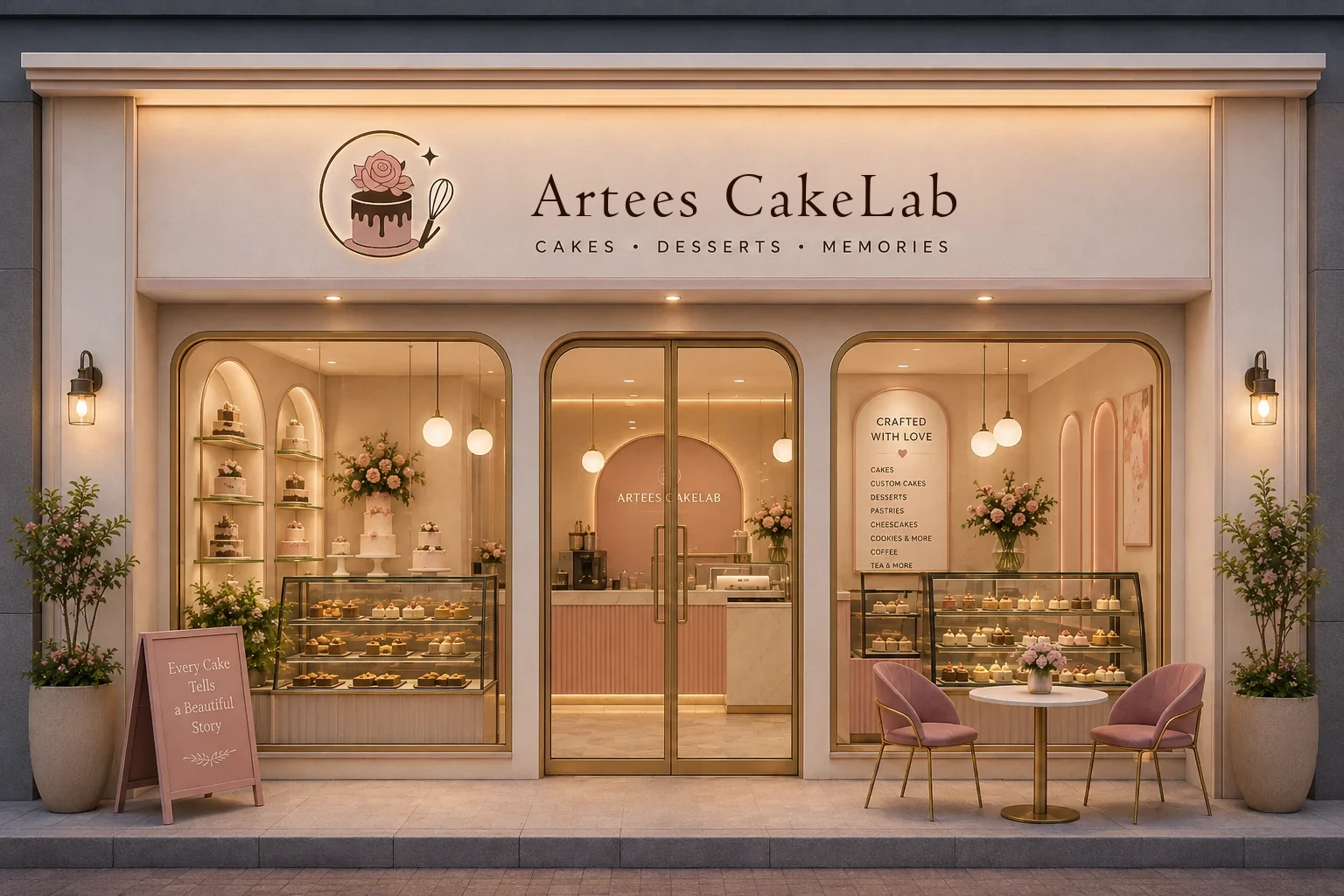
Launch ReadyIllustrative concept rendering

at prices most people can afford.
By exceptional food, we mean food people
would go out of their way to find.
Built for owner-operated franchises.
Every Artees store is run by its franchise owner.
Two common ways of running a food business face different limitations.

Chef-led outlets
Few achieve exceptional quality.
Those that do depend on individual chefs.
The result rarely transfers across teams and locations.
High skilled‑labor and operating costs limit affordability.
Conventional chains
The food is designed to fit the system.
Quality depends on each manager’s commitment.
Split production between central kitchens
and stores can compromise quality.
Price and efficiency targets constrain the product.

Exceptional quality, chef independence, reproducibility and affordability
rarely coexist in one food business.
EXCEPTIONAL QUALITY
Proven against the best comparable product in the
market before launch.
WITHOUT CHEF DEPENDENCY
The trained owner applies defined standards, so the
result does not depend on a chef’s individual judgment.
REPRODUCIBILITY
Locked formulations and defined processes transfer
the result across people, batches and locations.
AFFORDABILITY
Lower build-out and operating costs support more
affordable pricing.
Combining all four in one production system is what distinguishes Artees.
Exceptional is a claim most food businesses make about themselves.
At Artees it has to be proven before a product is allowed to launch.
SET THE BENCHMARK
Identify the strongest comparable market product,
and define exactly what it delivers: taste, texture, consistency.
DEVELOP & REFINE
Build the Artees formulation and refine it repeatedly
against that benchmark.
TEST IT BLIND
Both products are tasted unlabeled, so the Artees product
has to win without anyone knowing which is which.
LOCK IT ONLY WHEN IT WINS
The formulation advances only after it outperforms the benchmark.
If it doesn’t, it doesn’t launch.

The result is that every product in the franchise range is based on a formulation proven against the strongest comparable market product.
At Artees, quality is decided in the formulation and protected by the production system.
People still make the food, but the result does not depend on the judgment of one chef.
LOCK THE FORMULATION
Once a product passes blind testing, its formulation is locked.
The owner holds and applies it. Employees perform only their
assigned steps without receiving the complete formulation
or owner-only procedures.
DECIDE BEFORE PRODUCTION BEGINS
The decisions that determine the result are made in advance
and written into the process. The owner applies the critical
controls; staff do not have to improvise at the bench.
OPERATE, MONITOR & VERIFY
Employees carry out assigned work and operate equipment where
required. The owner oversees production, monitors the controls
and verifies that the standards are followed.
CATCH DEVIATIONS EARLY
Defined checks identify departures from the standard. The owner
investigates and takes corrective action before the product
is released to customers.
People make the food. The owner protects the standard.
The system helps reproduce the result across people, batches and locations.
Food at this level normally carries the costs that come with it — a skilled kitchen,
a prime address, a setting to match. Artees reduces those costs without lowering
the standard of the food.
LABOR
The system removes the need to hire an expensive chef and
experienced staff that food at this level would normally
require. Trained people execute defined processes.
MANAGEMENT
Artees is built for active owner-operators. The owner works
in and leads the business, rather than carrying the cost of
a management layer to run it.
OCCUPANCY
Because the draw is the product rather than the address, the store
does not have to depend on prime location foot traffic.
BUILD-OUT
The value sits in the food rather than in an elaborate physical
setting, which allows a simpler and less expensive build-out.

Artees does not make exceptional food affordable by simplifying the food.
It makes it affordable by reducing the costs around producing and selling it.
Six years of hands-on development.
Artees went beyond recipes. Over six years, products and production methods were built through
repeated formulation work, ingredient evaluation, equipment trials, process testing and documentation.
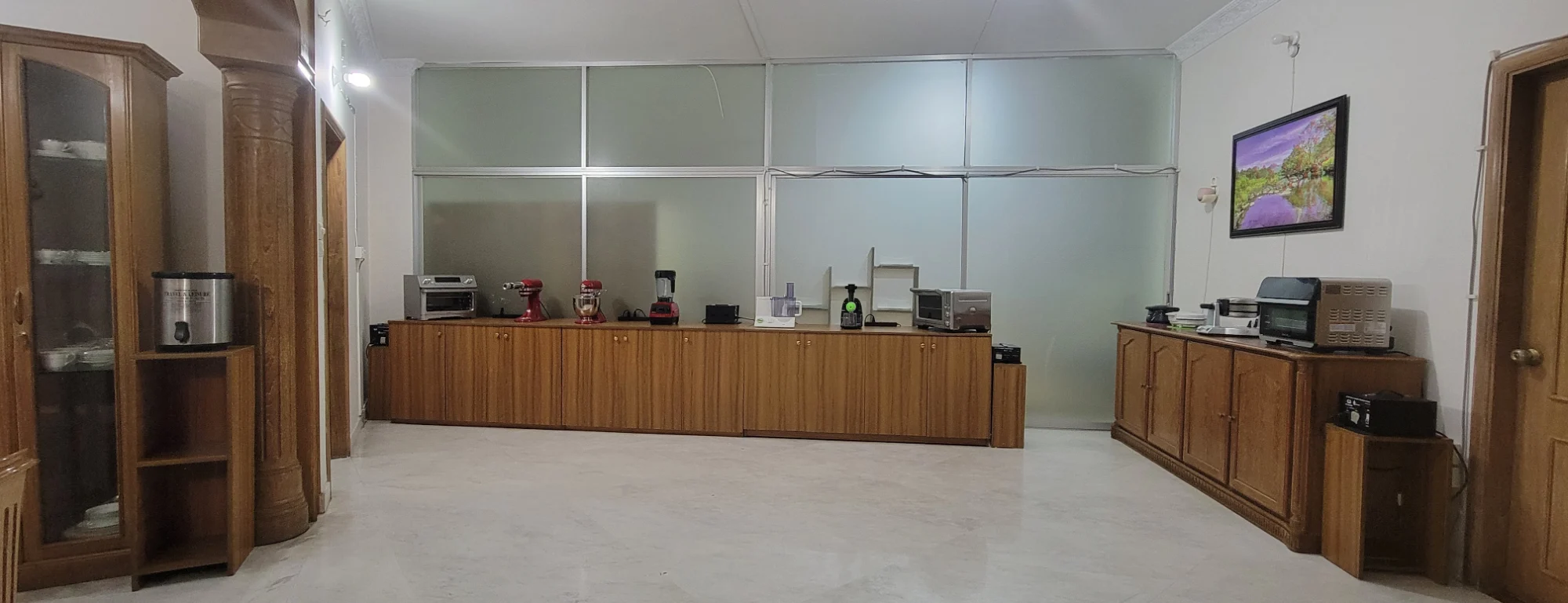
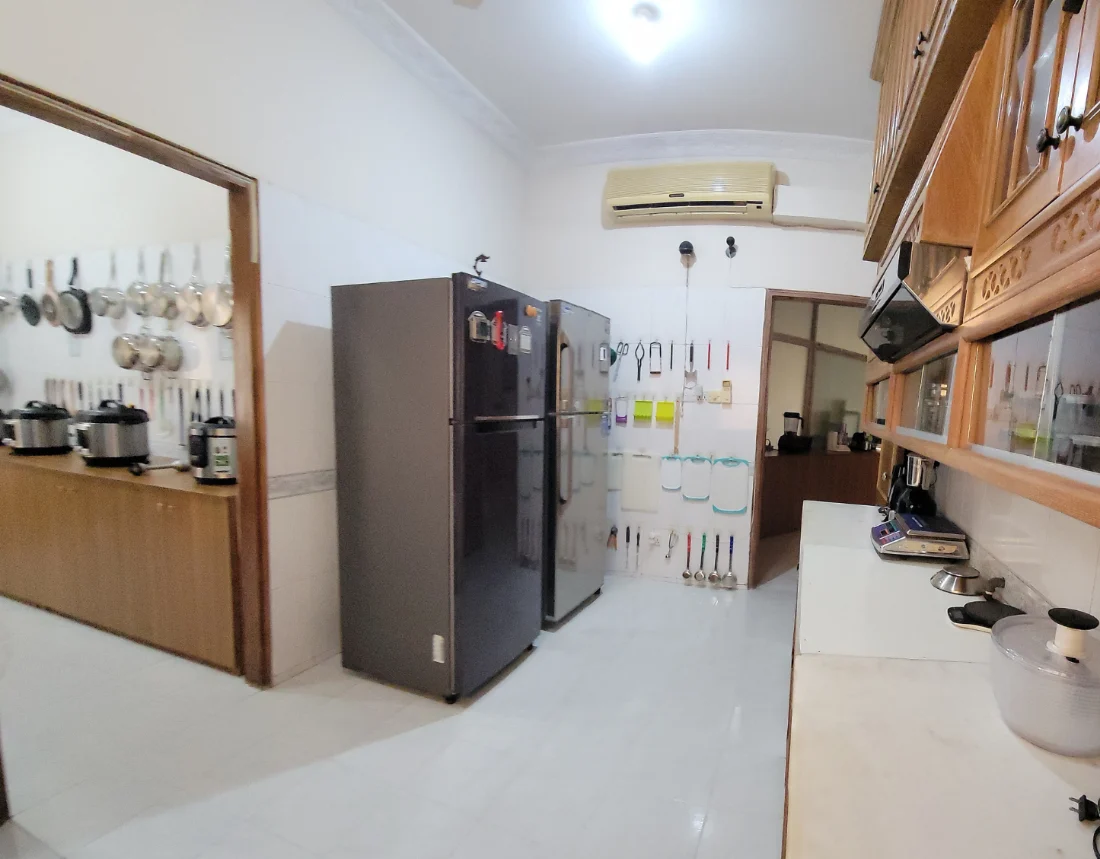
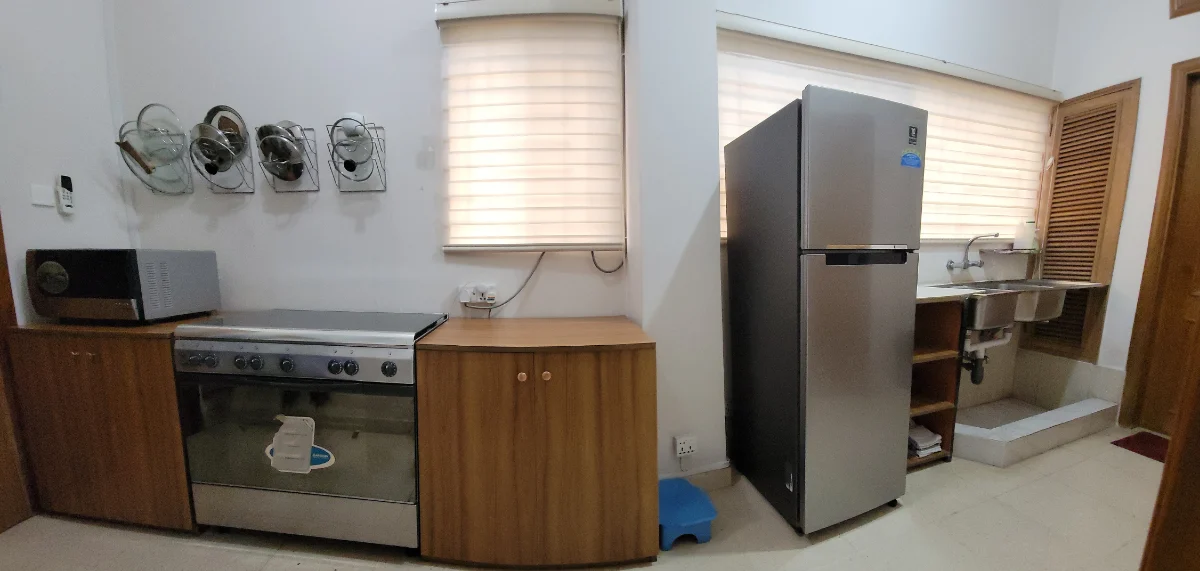
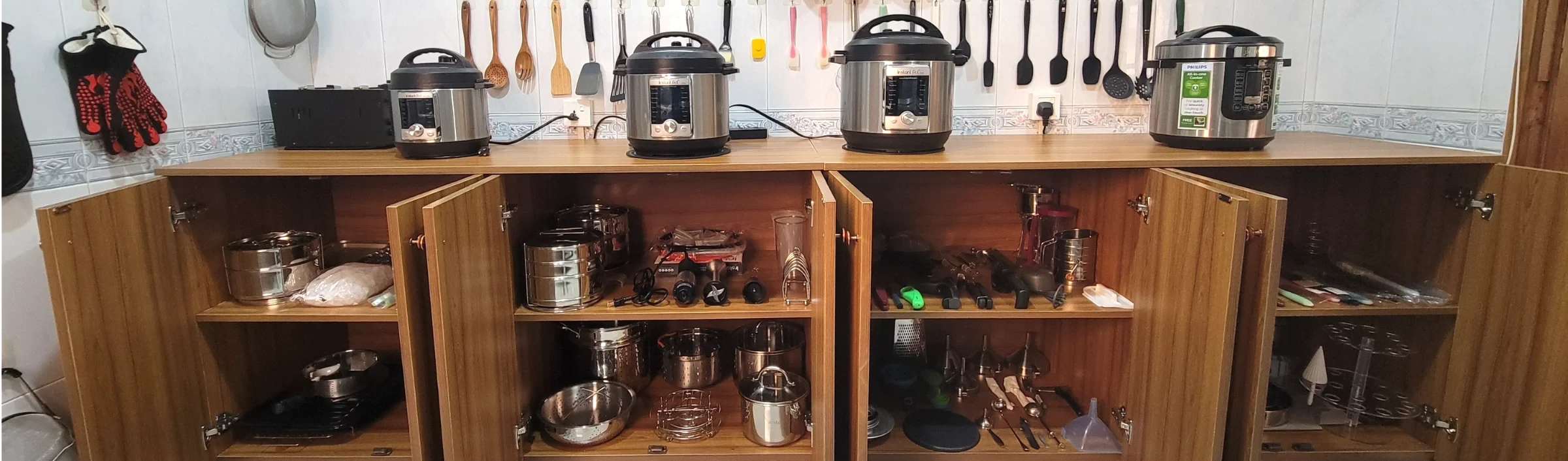
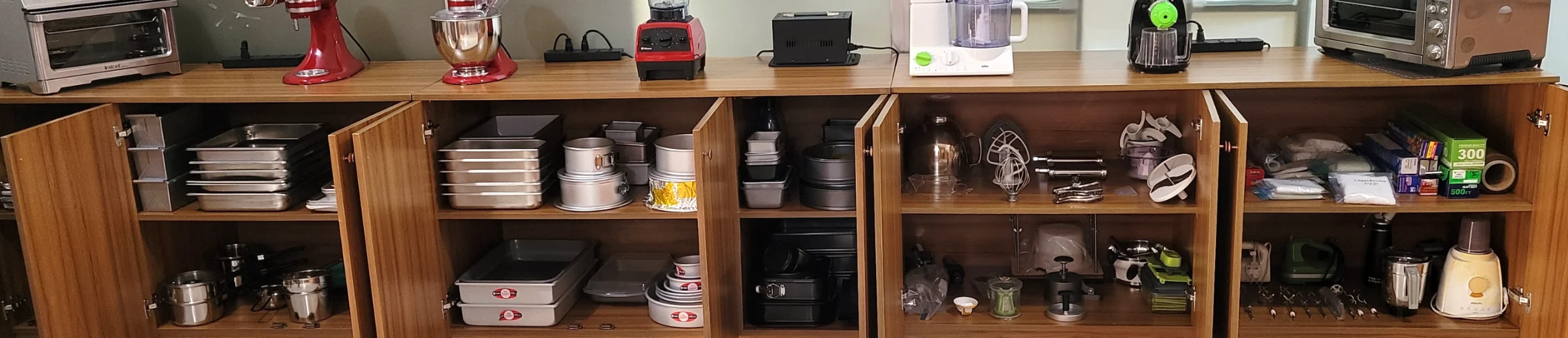
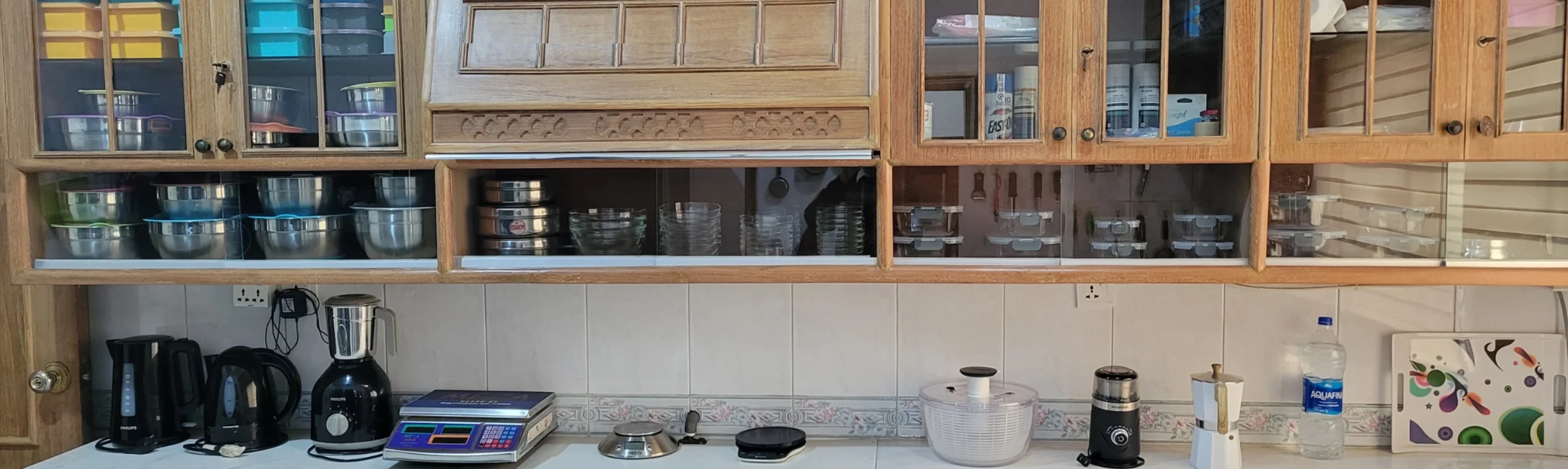
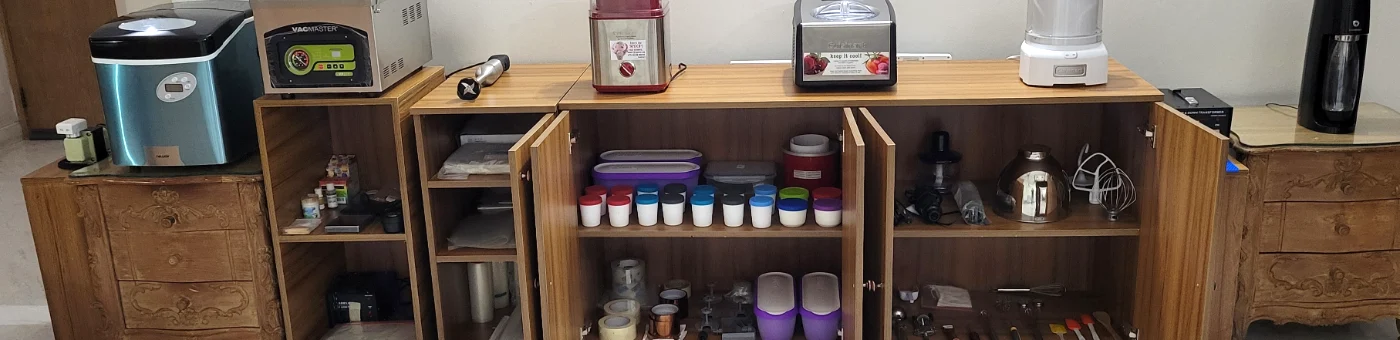
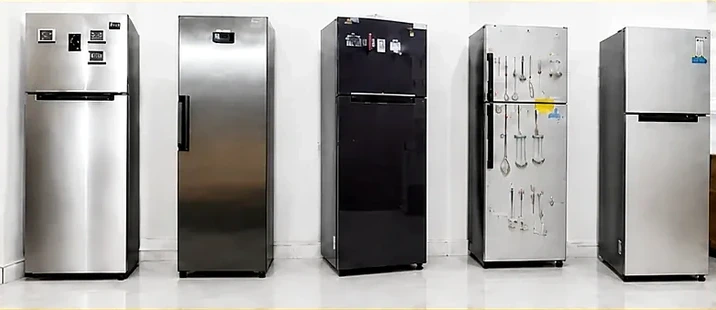
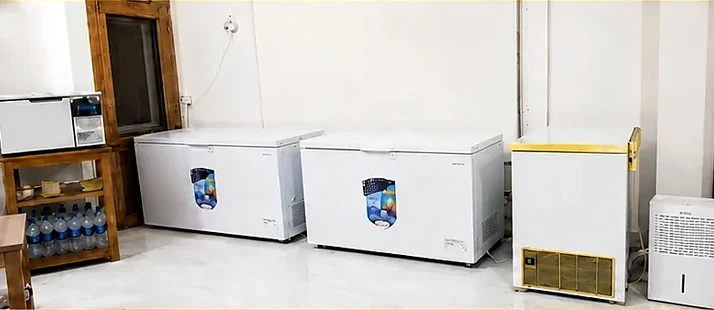
Fitted Kitchens & Labs
Working environments used to develop and test
products and production methods.
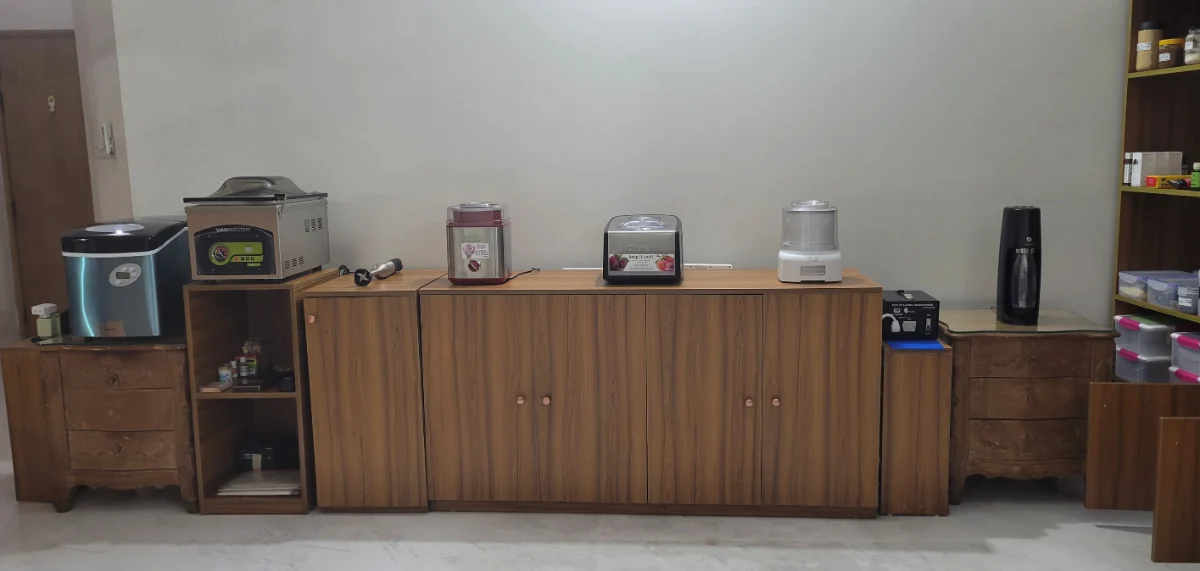
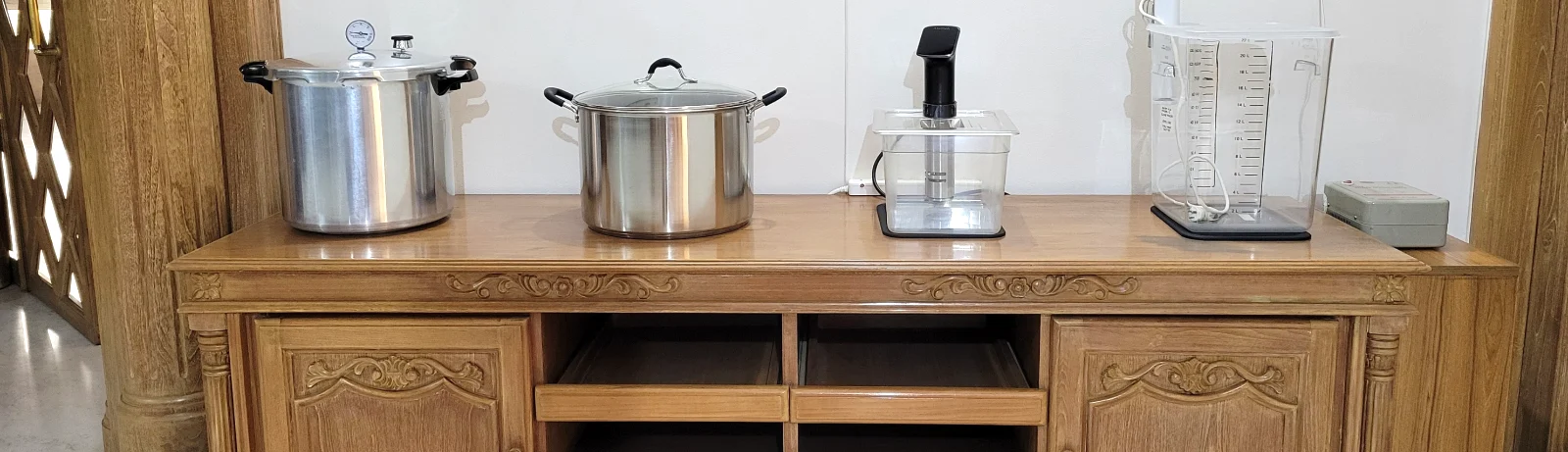
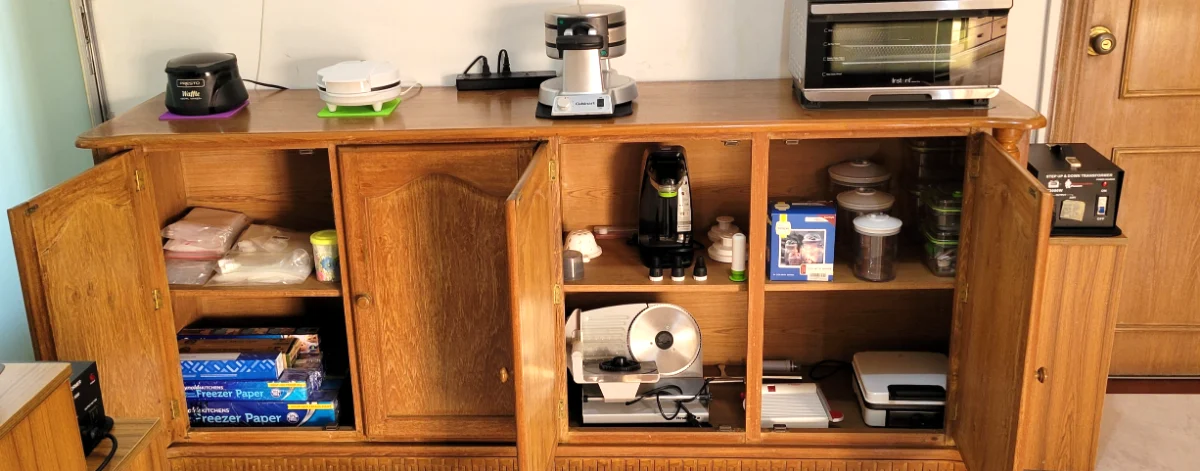
Equipment & Appliances Evaluated
Different equipment was tested to understand what produced
the required result and how that result could be controlled.
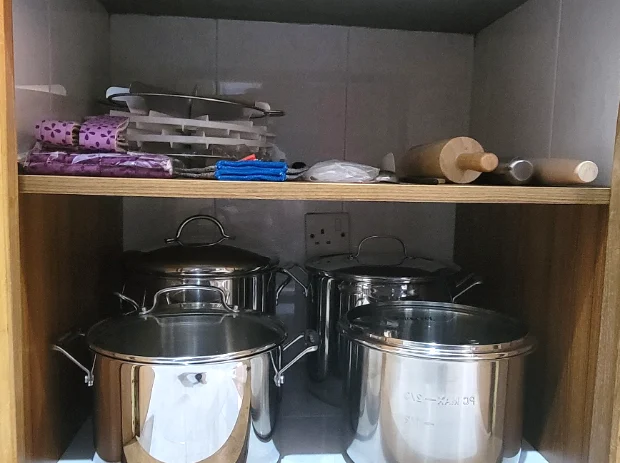
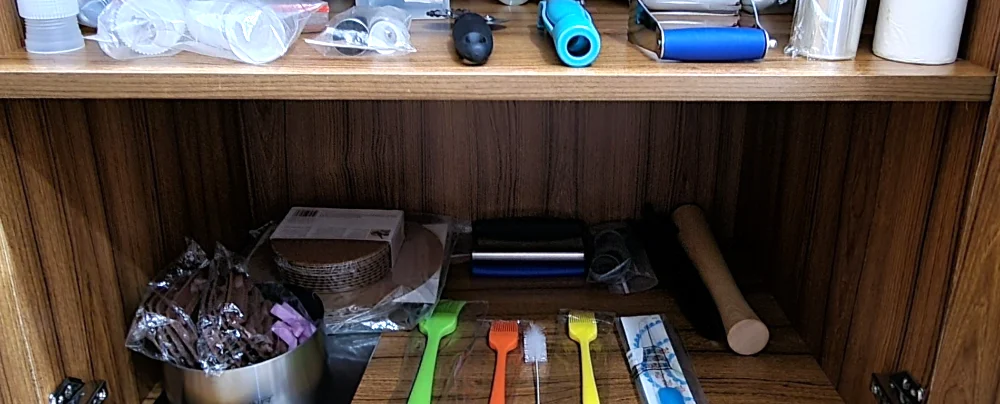
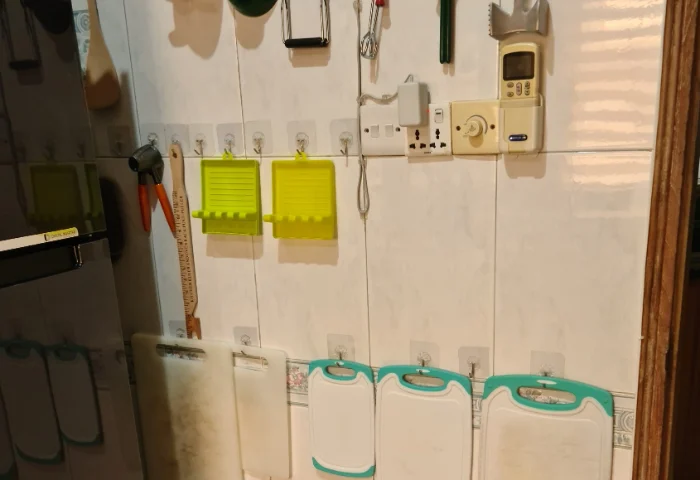
Tools & Process Aids
Tools and process aids were evaluated for how well they allowed
a defined process to be carried out the same way each time.
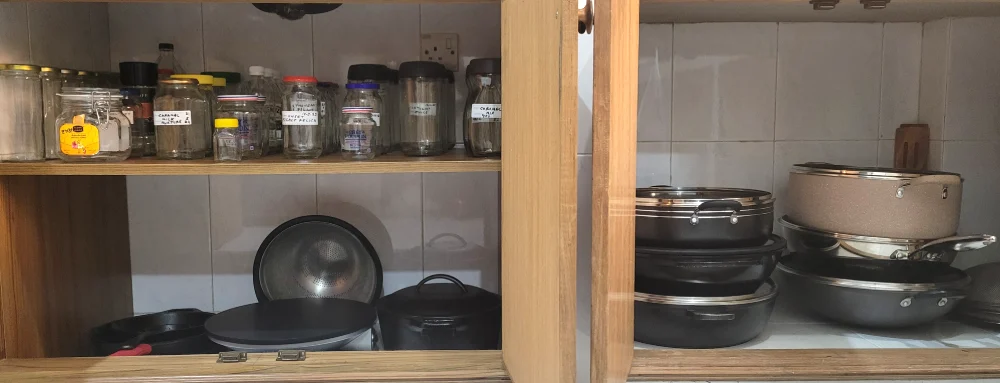
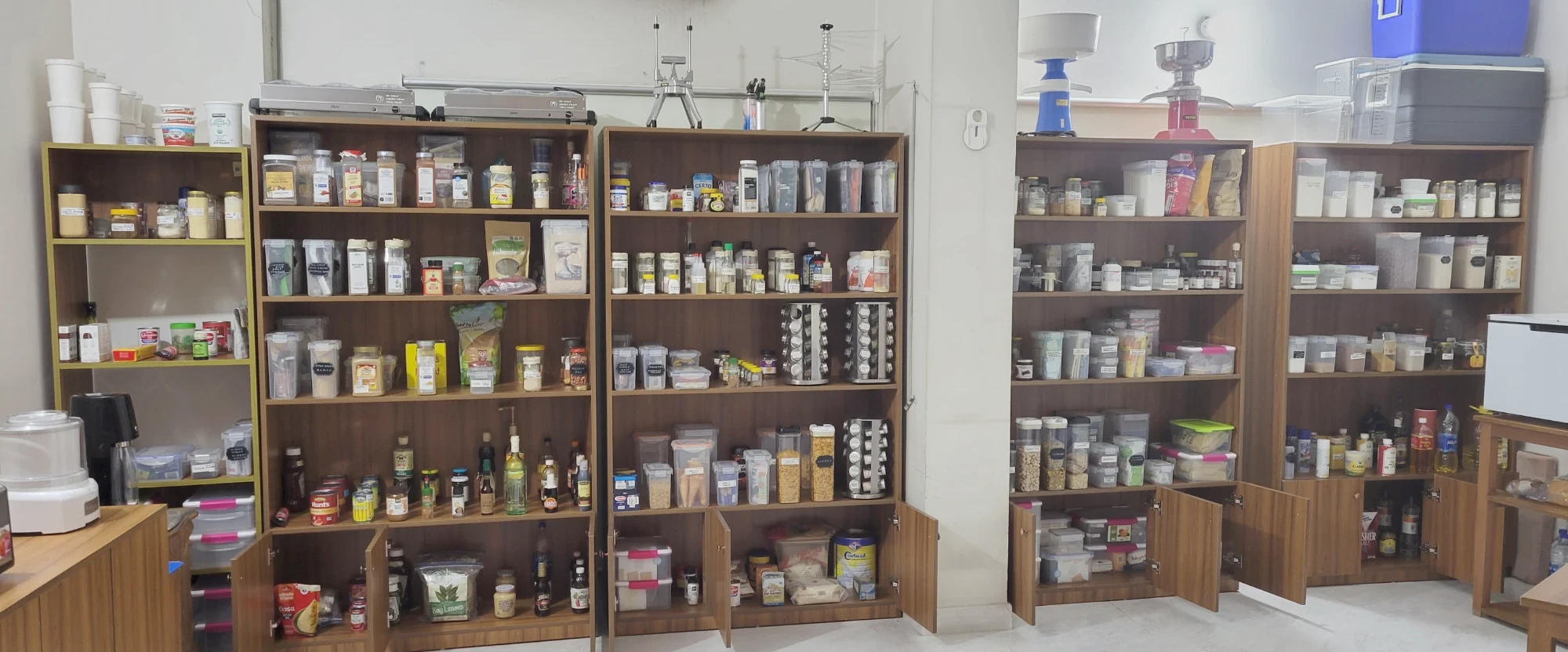
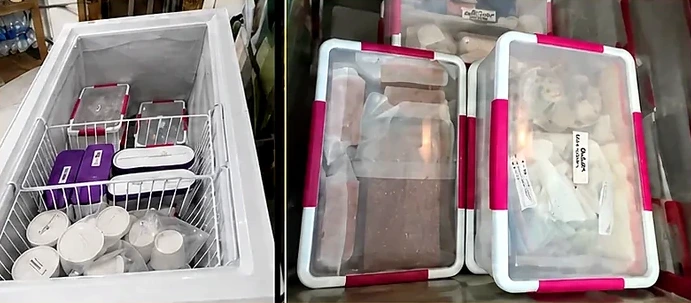
Ingredients Evaluated
Ingredients were tested across the wider Artees platform to understand
their effect on the finished product and the production process.
The work was not only to create exceptional food. It was to understand what makes the food exceptional,
how to reproduce it without depending on a chef, and how to build a practical production system around it.




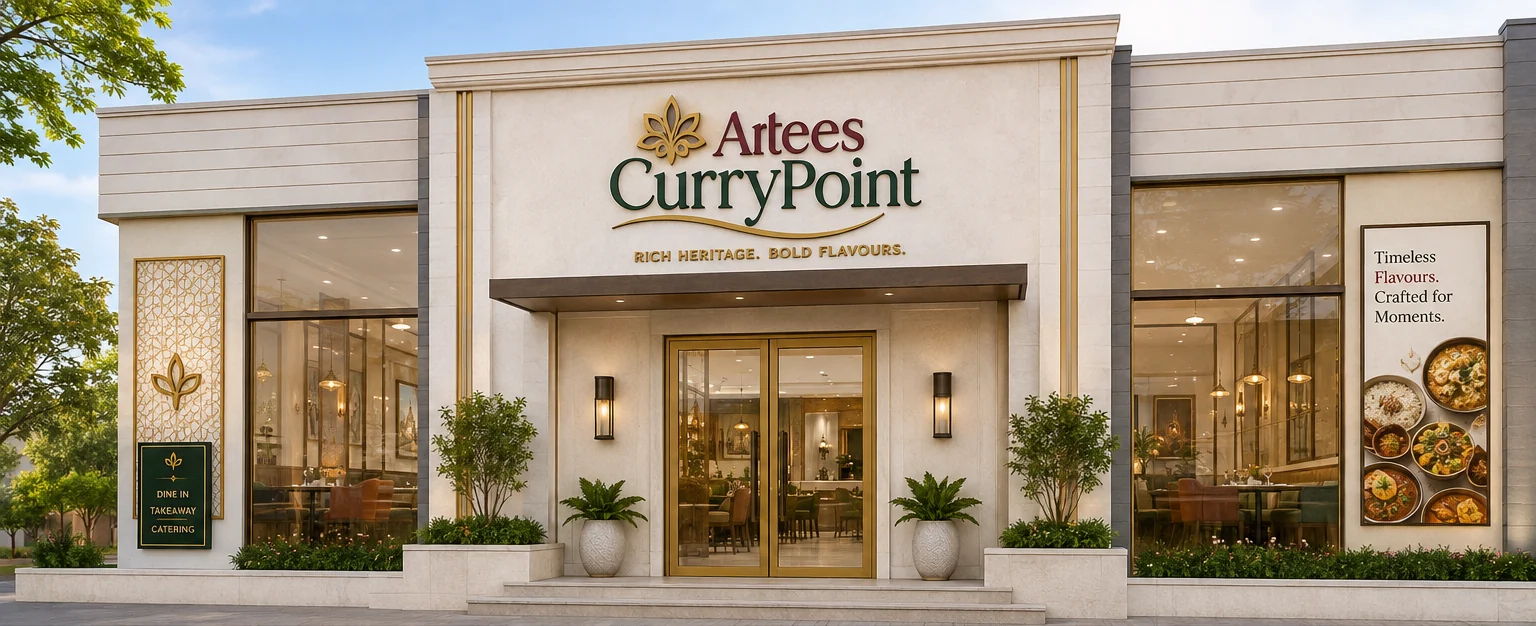
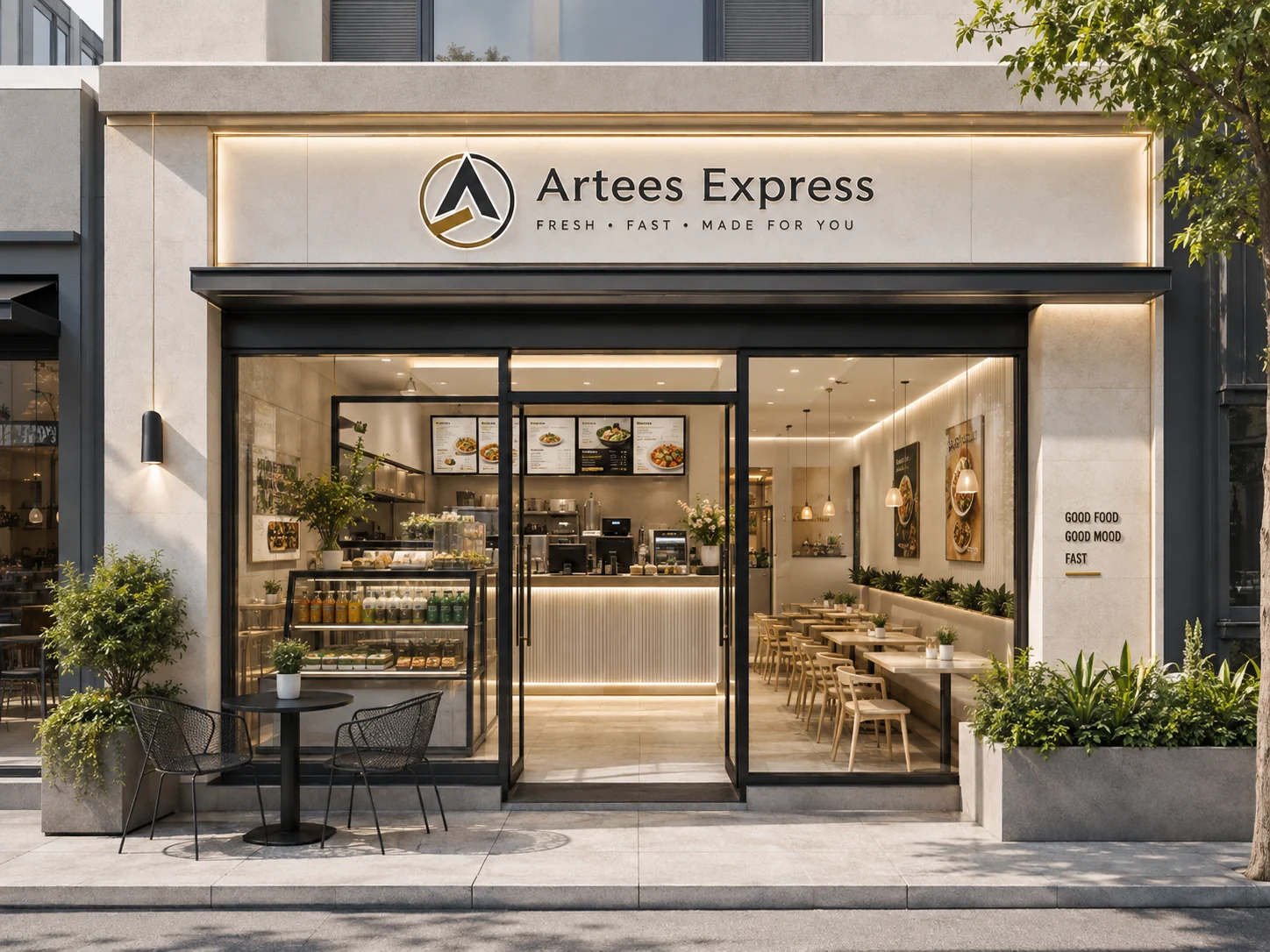
Artees is a food-development platform spanning multiple cuisines and product categories, built on a common discipline of formulation, process development, standardization, and documentation.
319 developed products across ten food domains.
Artees Sweets is being franchised now, and Artees Chill’n Cream and Artees CakeLab are ready next. The remaining seven have developed product portfolios, while their business models and operating structures are still being developed.


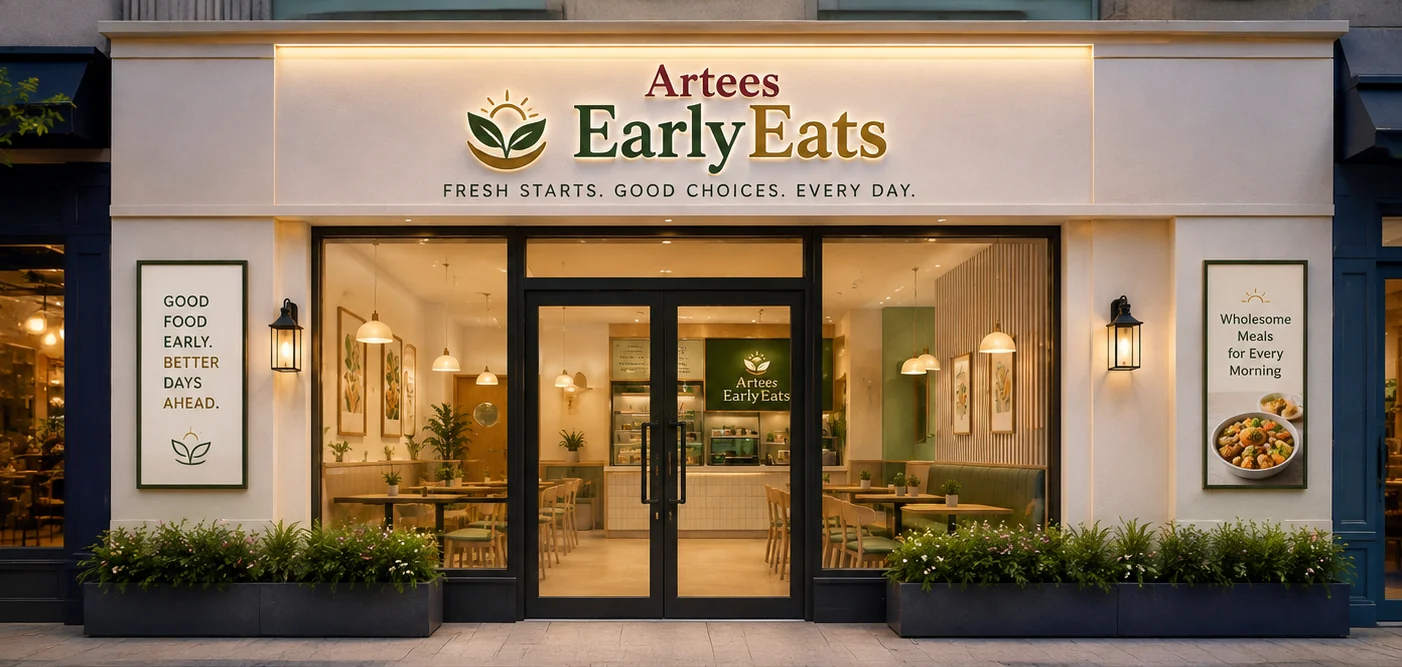

at prices most people can afford.
By exceptional sweets, we mean sweets people
would go out of their way to find.
Built for owner-operators.
Artees Sweets is an owner-operated sweets franchise built around exceptional quality, consistent production and affordable prices, with every product made in the store. Owners learn to make the products and run their stores without hiring a chef or professional sweet maker.
Artees Sweets trains and certifies the owner, who then trains the employees, leads daily operations and remains responsible for product quality.
Artees Sweets is now being franchised, beginning with New York City. Prospective owners and proposed locations are reviewed for suitability before proceeding.
Who Stands Behind It
Artees Sweets was developed by Artees Corporation, a New York food company, through six years of product and production-system development.

Product
A new shop must develop sweets that stand out in taste, texture and quality, giving customers a reason to choose it and return.
Production
Owners without production experience must find and keep a skilled sweet maker. The business then depends on that person, and their departure can take the quality with it.
Taste, texture and presentation must stay consistent across employees, batches and days. Without documented formulations and production methods, results can vary.
Business
Rent, build‑out and skilled labor raise costs, making affordable pricing difficult.
A new owner must identify an area with enough potential sweets customers and find premises where rent will not consume too much of the store’s income.
Before investing in a store, a new owner needs evidence that customers will pay the planned prices and return for more.
Product
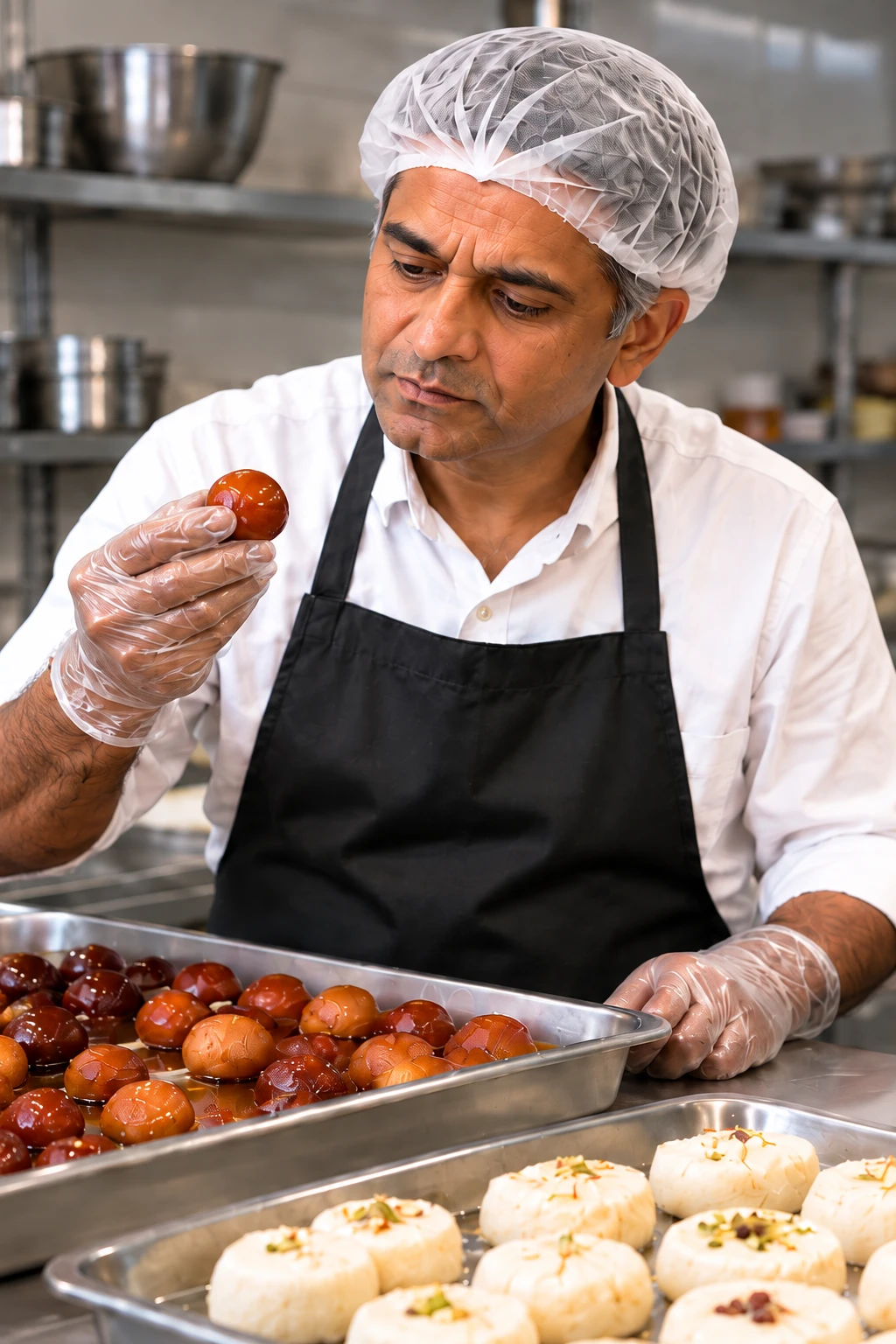
Each product was developed to outperform the best comparable product in the market, giving customers a reason to seek it out.
Production
Artees Sweets trains and certifies the owner, who receives the complete formulations and trains the team. The production knowledge stays with the owner, not with an employee.
Every product is made to locked formulations, defined process windows and operating procedures, supported by batch records, calibration and quality checks.
Business
A simple, product‑focused build‑out limits expenditure on elaborate décor. The trained owner leads the store, removing the need to hire a chef, professional sweet maker or manager. Lower costs allow exceptional sweets at prices most people can afford.
Products customers seek out can make suitable off‑prime locations possible. Sites are evaluated on customer concentration, modeled demand and operating feasibility, not on foot traffic alone.
Prospective owners assess quality, value and consistency in three structured tasting sessions. Limited pre‑launch sales are designed to gather customer reviews, feedback on pricing and evidence of repeat purchases.
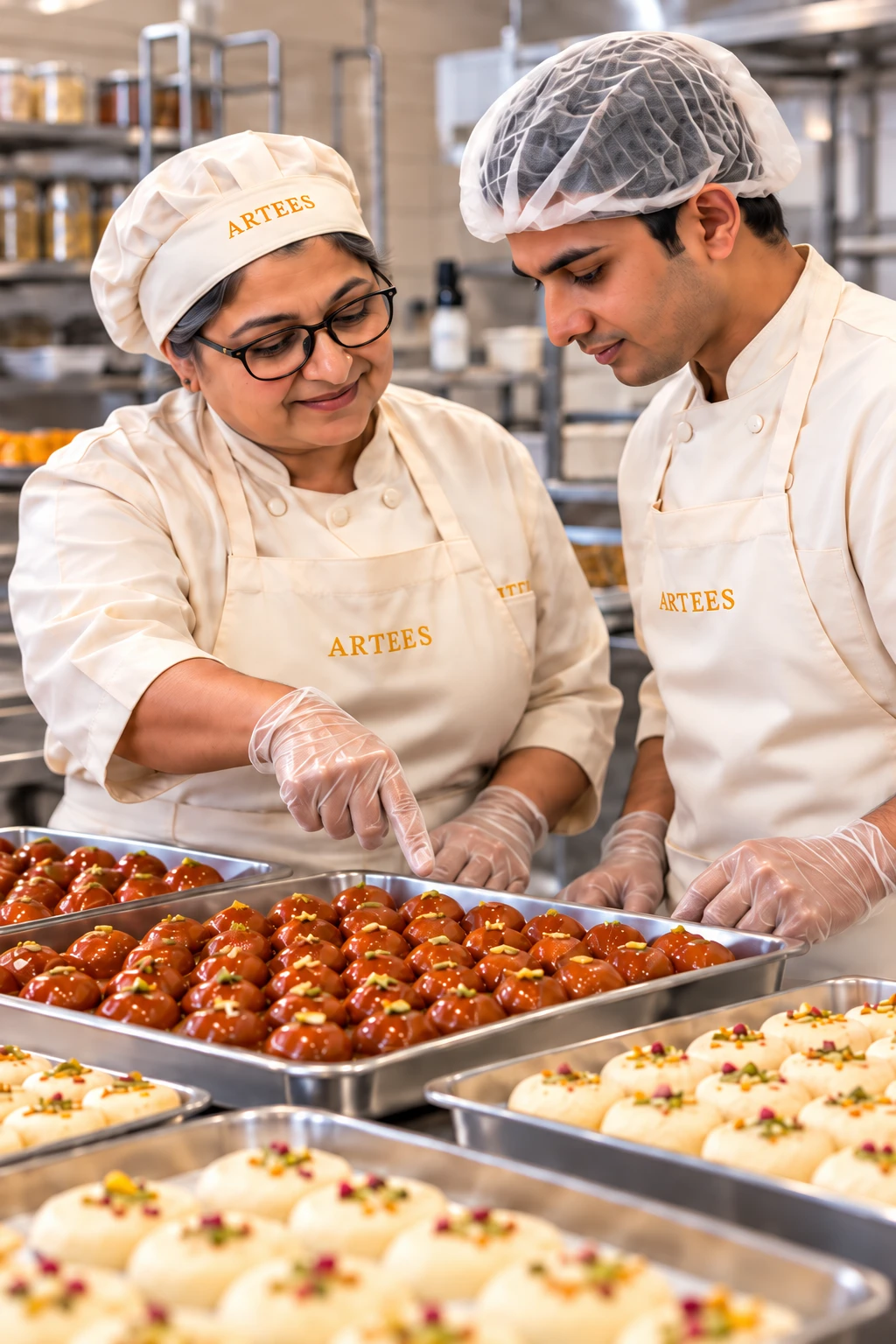
What once depended on one person’s skill is now built into the system.
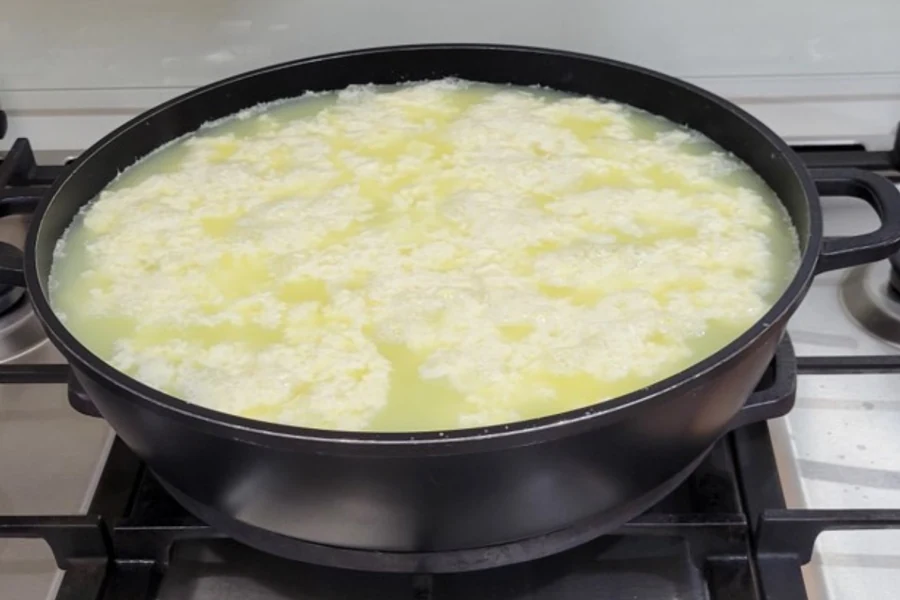
16 steps · 4 stages
Stage 1Curds



Stage 2Morsels
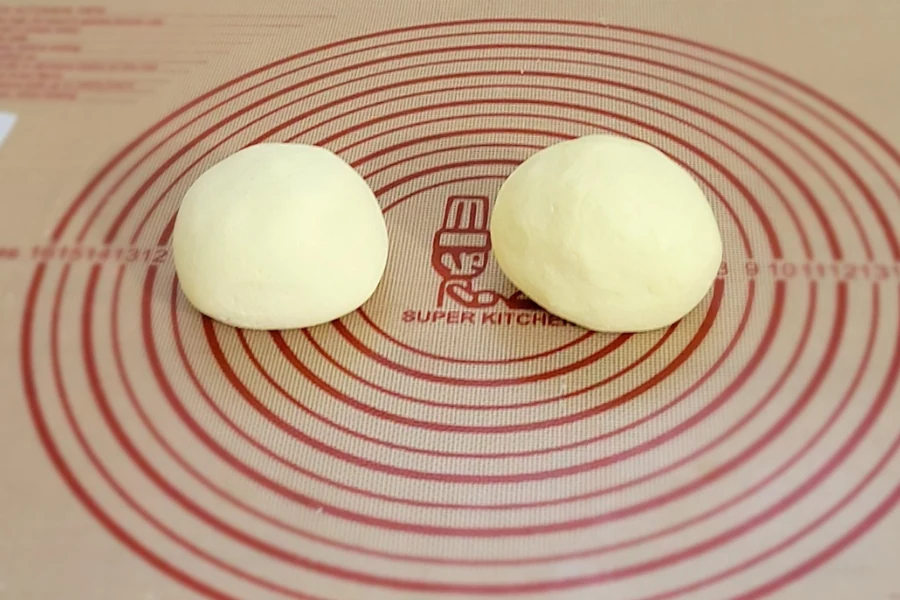

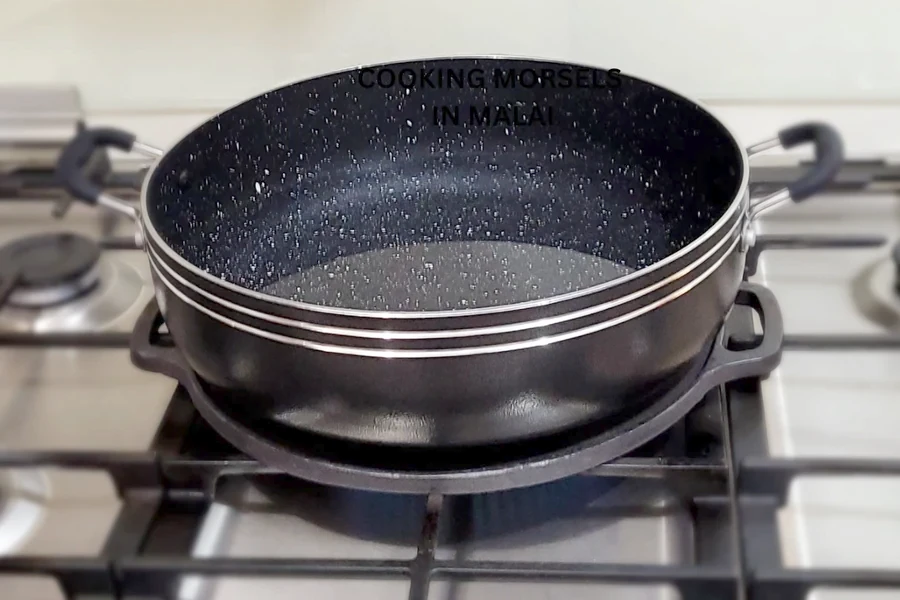

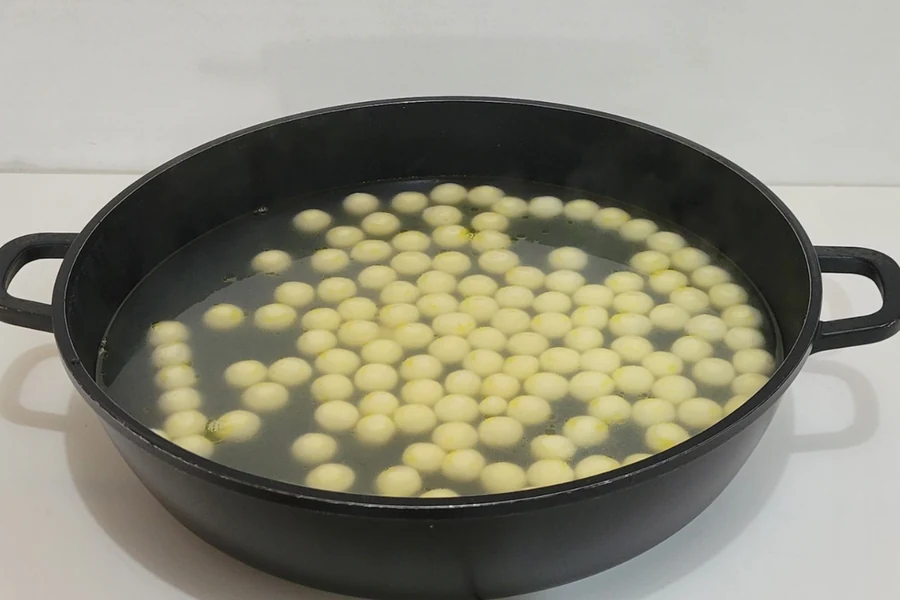
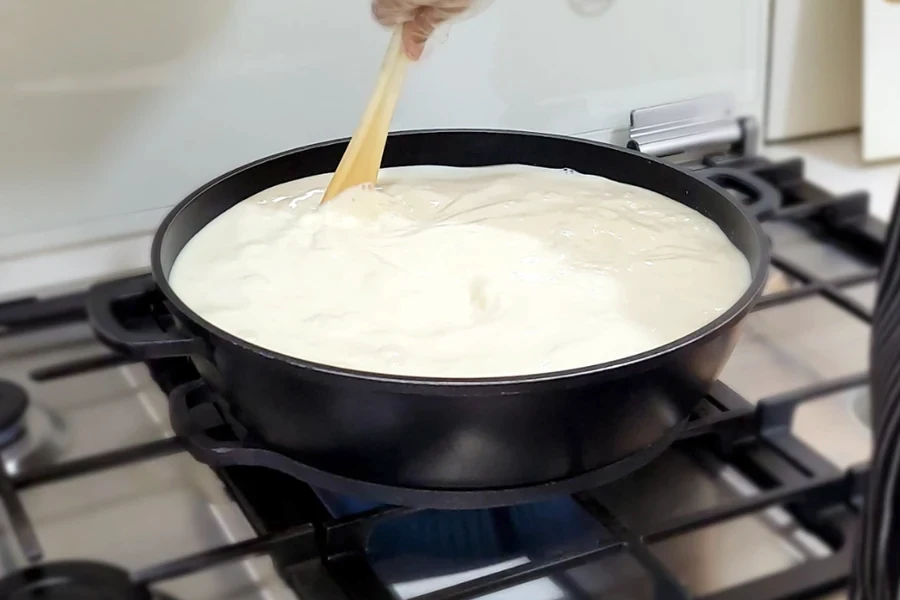
Stage 3Malai
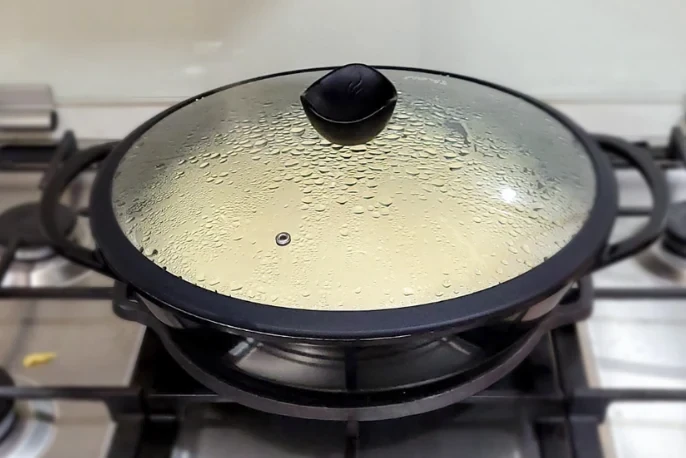
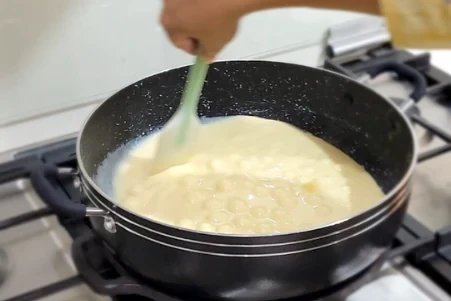
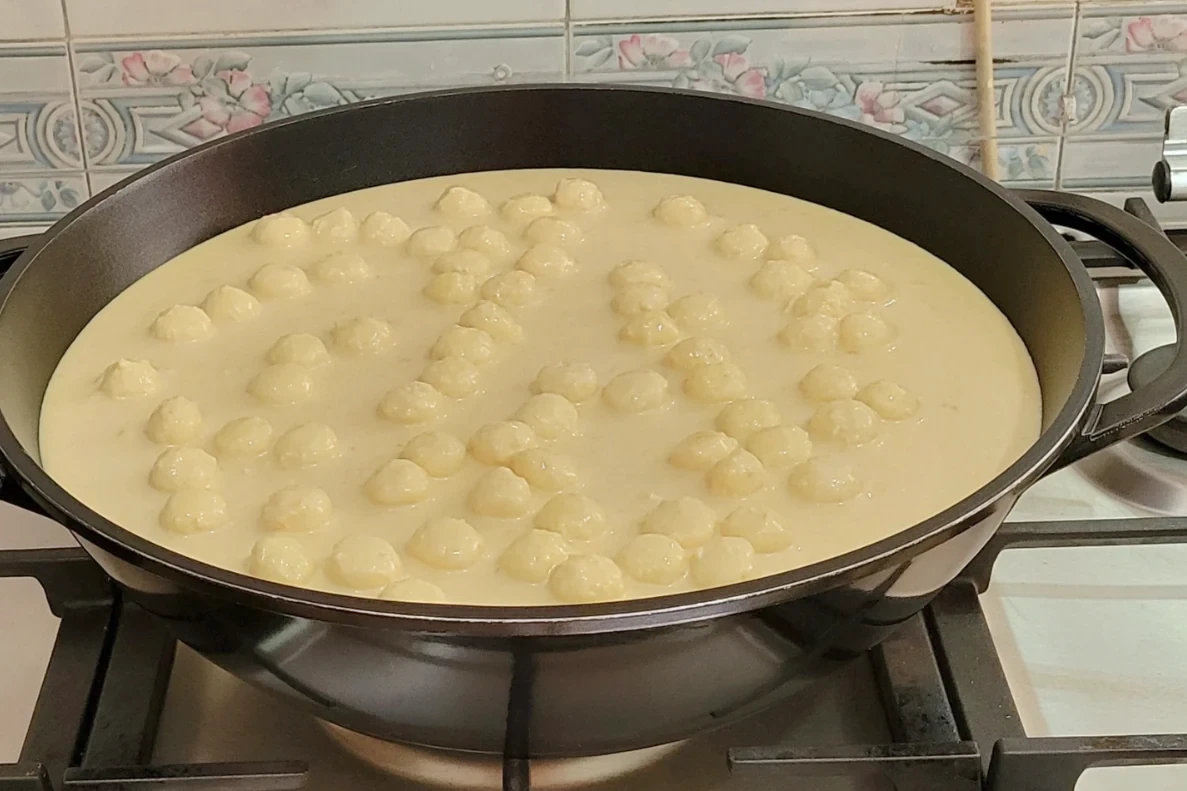
Stage 4Cooling, Storage & Serving
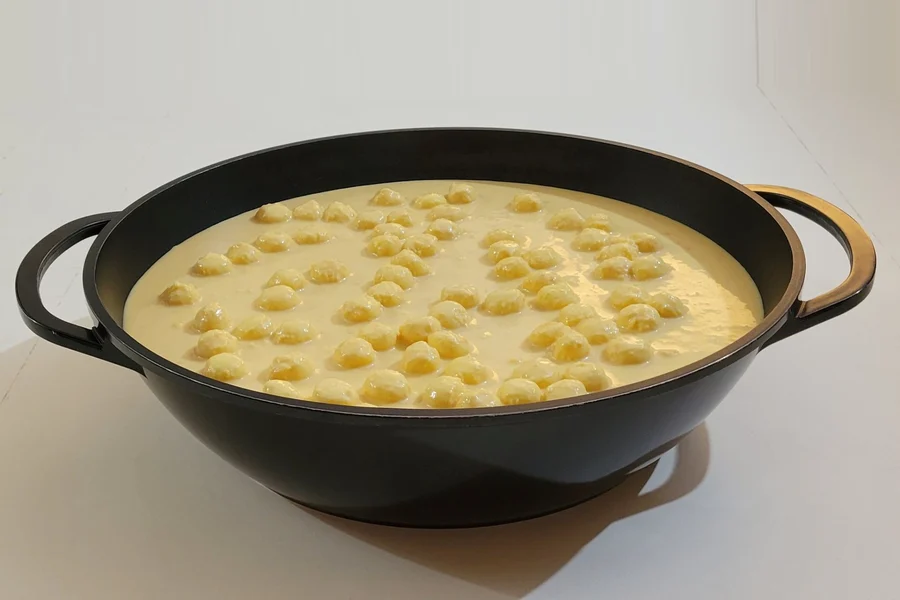

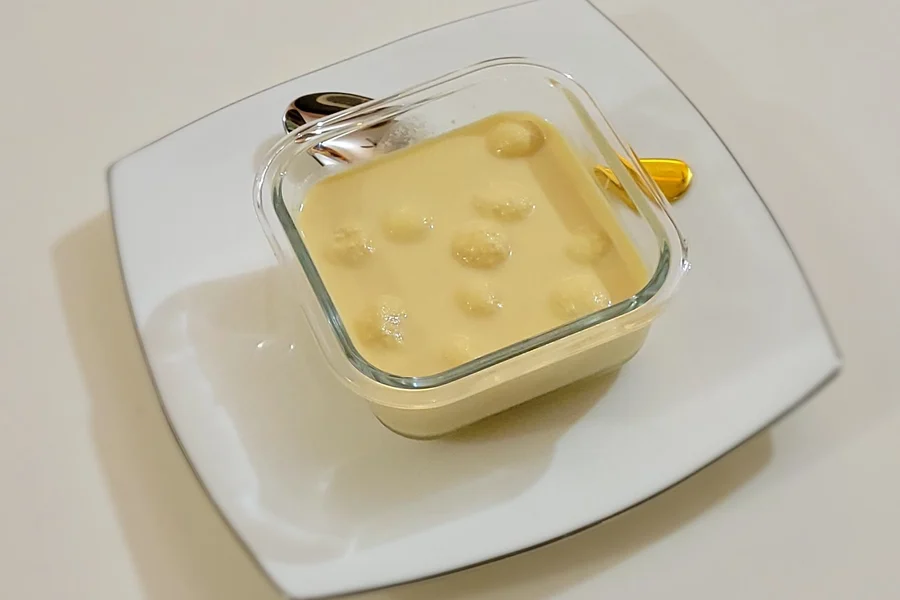
Every step shown can be carried out by a trained person with no chef background, following the Artees system.
We applied food science at each of these 16 steps — from cooking through cooling, storage and serving — replacing reliance on skilled judgment with defined procedures and measurable controls.
Artees Sweets
The platform was built across ten food domains, developing product formulations, production processes and documentation through a common discipline.
Artees Sweets is the first of those domains to reach the market and the first Artees brand being offered as a franchise.
It brings the platform’s product-development and operating work into an owner-operated franchise business designed to be learned, run and reproduced across locations.
CategoryProducts
Each store opens with 20 products and adds more as it progresses.
Selected products from the range
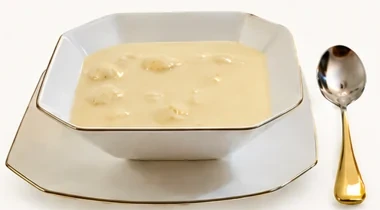
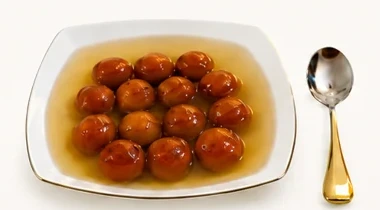




Artees Sweets begins with the established South Asian sweets customer, but its product strategy is designed to reach progressively wider groups of consumers.
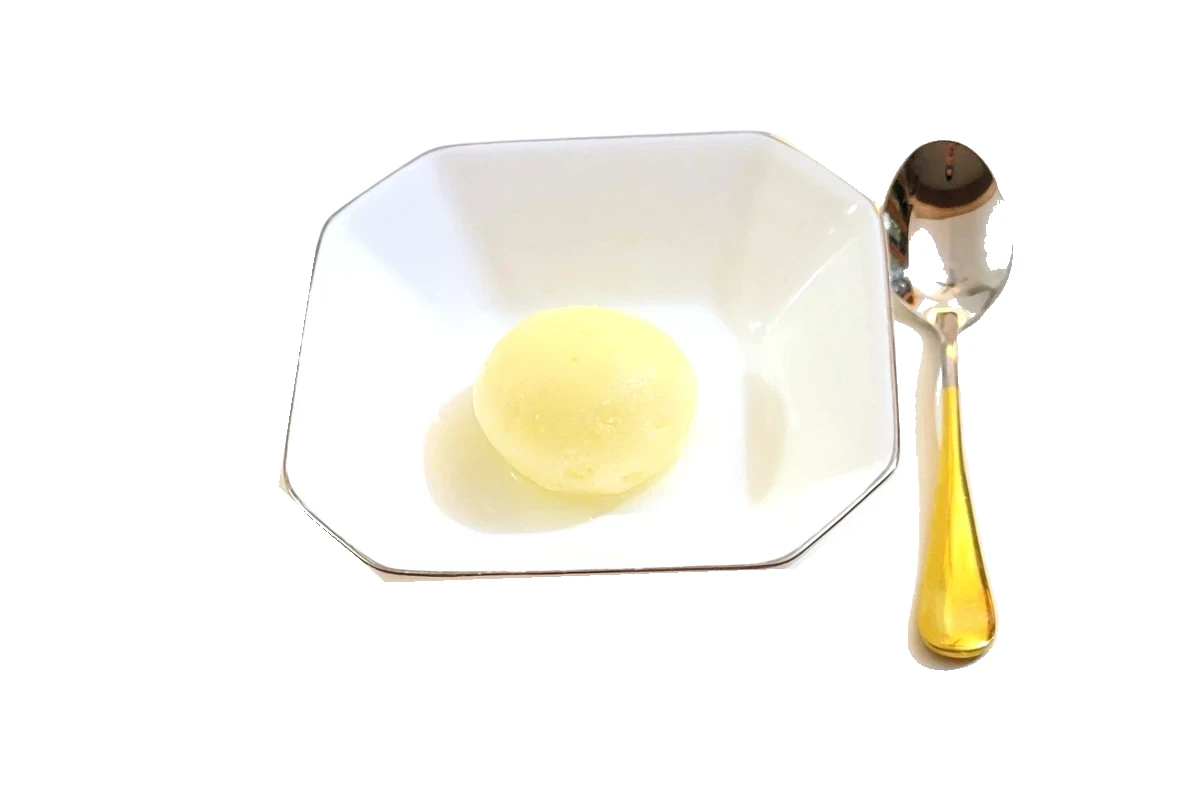
A developed range of familiar South Asian sweets forms the foundation of the brand and serves customers who already know and buy the category.

Gateway products are a fusion of South Asian and Western desserts, using selected formats, textures and presentations to appeal to second- and third‑generation South Asians and consumers from culturally adjacent markets.

Internationally recognized desserts give customers with no prior connection to South Asian sweets a familiar way into the Artees Sweets brand.
The South Asian core establishes the market. Gateway products and Global Classics broaden it.
The food advantage gives customers a reason to buy and return. Lower setup, location and labor costs reduce what the store must earn to cover its expenses. An established starting market provides a customer base, while Gateway products and Global Classics create room to grow.
Together, these advantages give an Artees Sweets store a path to profitability when its owner runs it well in a suitable location.
Artees Sweets is for people who want to own and actively run a food business.
Before making a franchise commitment, a prospective owner-operator can evaluate the food in a group of two to five people, including themselves. The same group attends all three sessions. One trained employee makes each batch; participants evaluate the food without taking part in production. The evaluation is free of charge, and each session lasts approximately 90 minutes. Sessions currently take place at Artees Sweets, 641 Lexington Avenue, 14th Floor, New York.
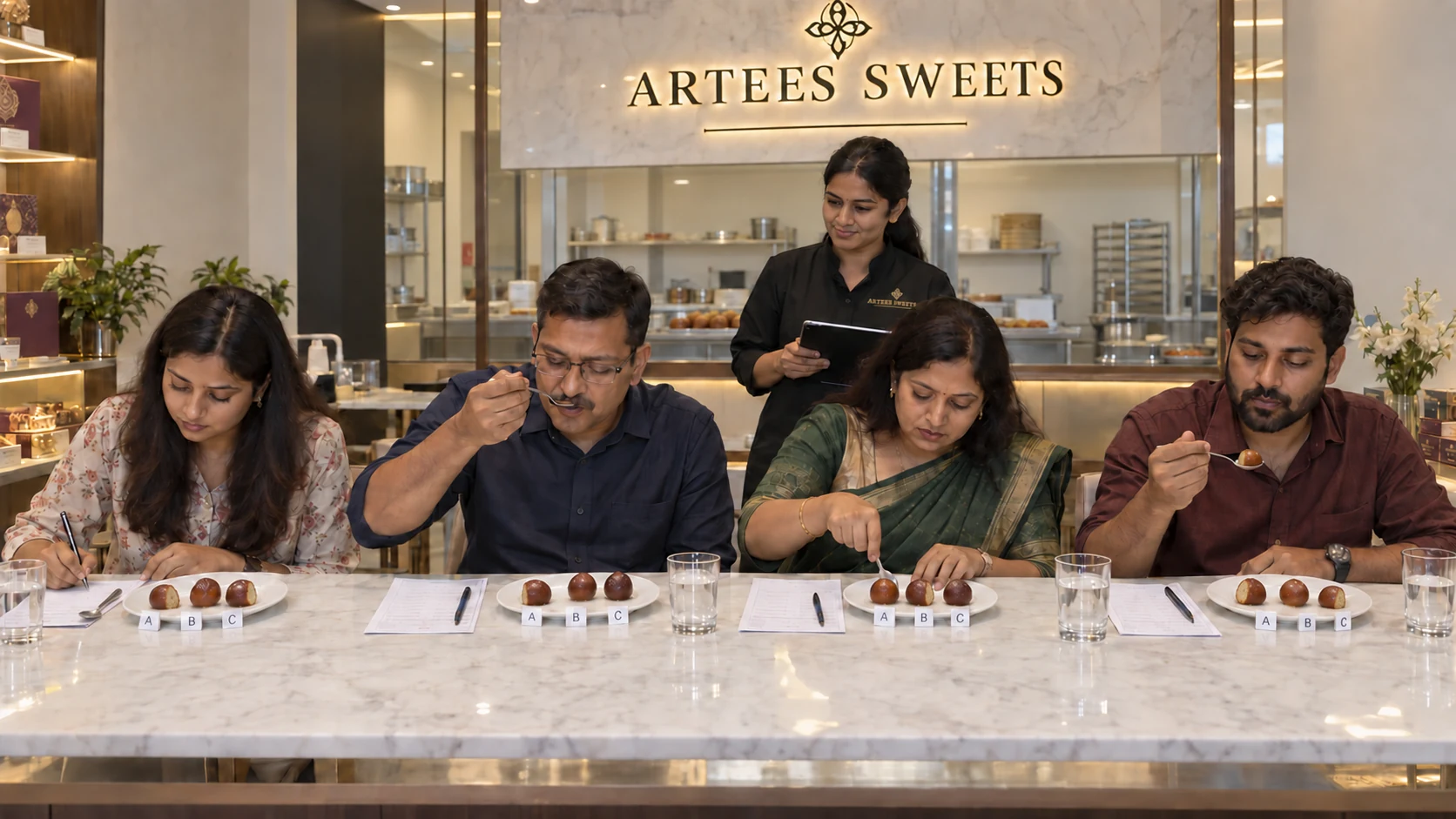
The same five products are evaluated at every session.
Day 1 establishes a benchmark for quality. Separately produced batches on Days 8 and 15 test whether the results are comparable, with no product substitutions after Day 1.
Participants taste the products blind, identified only by letter, and score the food independently before discussing it as a group.
Participants may also buy products, separately from the free evaluation, to share with family, friends or business and financial partners. Feedback from those people is recorded separately from the session results.
Evaluate the food before you evaluate the franchise.
Artees Sweets is for those who are willing to learn, practice, follow defined procedures and take responsibility for the results.
Why doesn’t Artees have its own pilot store? →
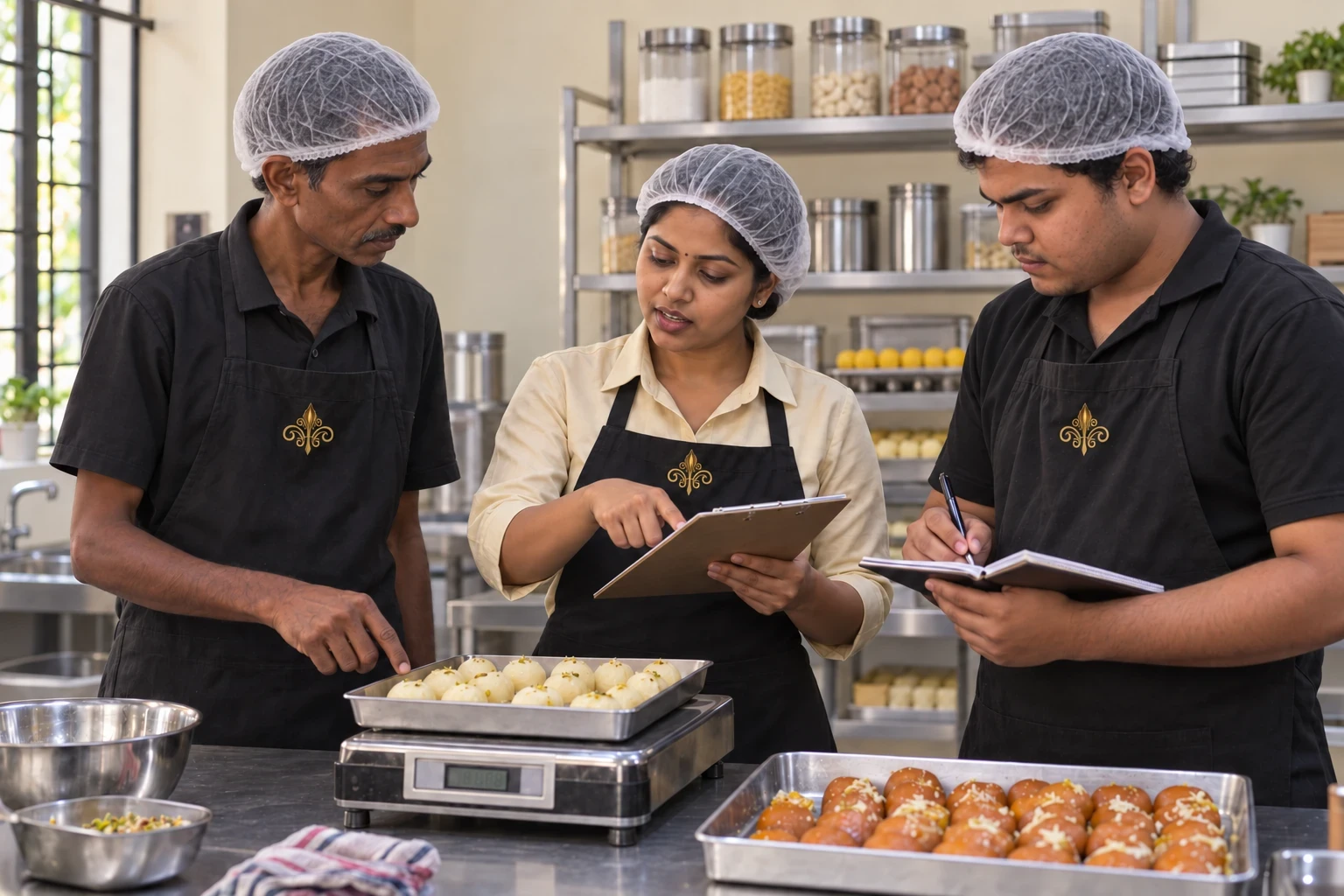
Artees Sweets provides 28 days of owner training covering production, quality control, food safety, service and store management. You must pass the required opening certification before your store can open.
The owner must be present during daily production and peak hours, lead the team and remain accountable for quality and operations. This commitment is not compatible with another full-time job or handing the business to a hired manager.
Artees Sweets trains the owner; the owner trains the employees. You receive the complete formulations and operating procedures, including owner-only procedures. Employees learn their assigned tasks without receiving the complete formulations or restricted production knowledge.
Temporary absence requires Artees Sweets’ approval. Absences should be planned in advance, and Artees Sweets supports approved absences so the store can continue serving customers to the same standard.
You own the business. You lead the people. You protect the standard.
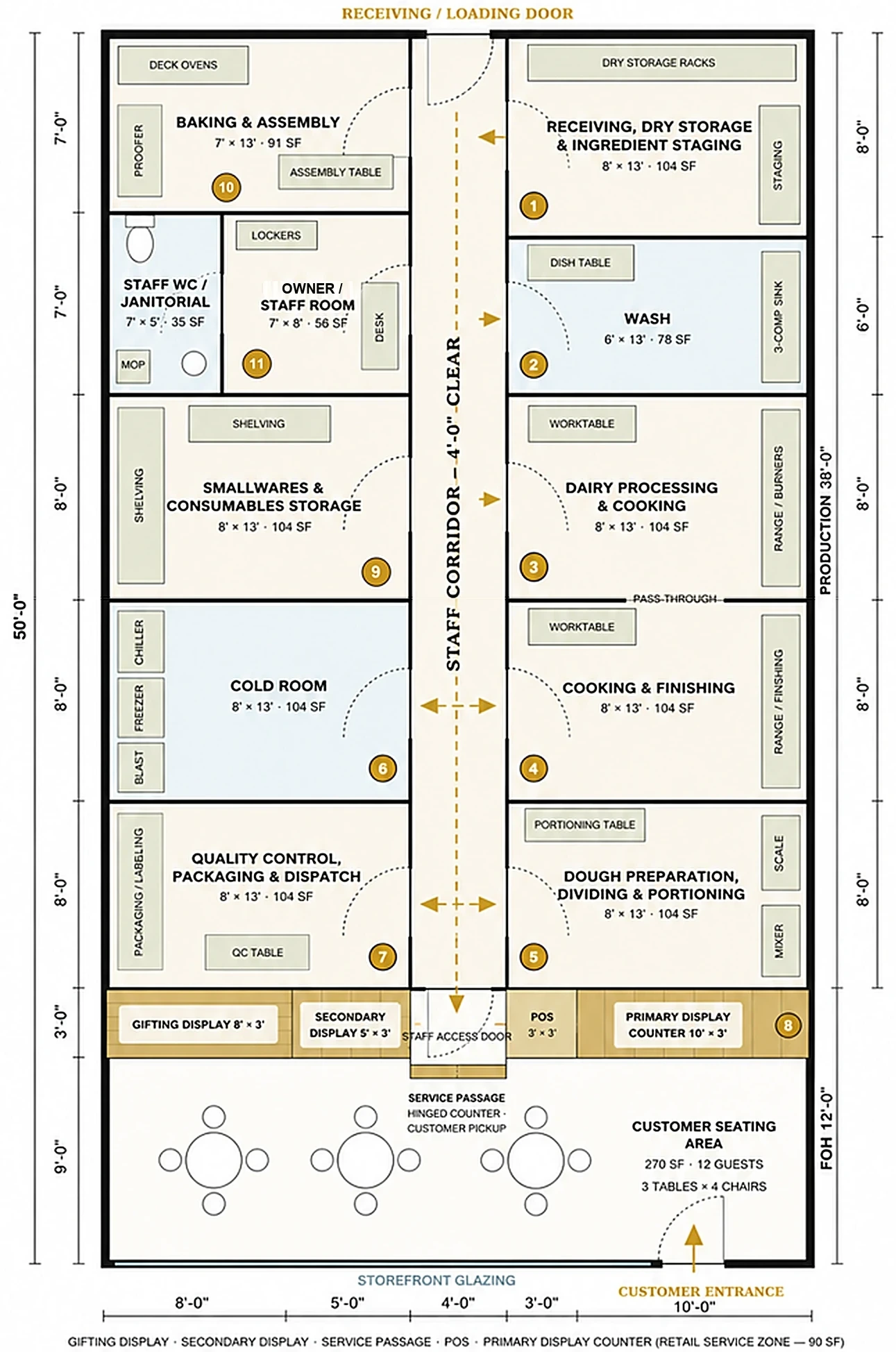
Artees Sweets has been developed around three physical formats so that each location can be matched more closely to market demand, site availability and production requirements. Category A is shown here. Category B and Category C details are provided during site evaluation.
Architectural floor plan
Note: Dairy Processing & Cooking and Cooking & Finishing share a grouped utility wall (power, exhaust, hot water and, where required, gas) for construction efficiency. In-process product may move Dairy Processing → Dough Preparation → Cooking & Finishing across the 4' staff corridor (short-distance movement).
An Artees Sweets store is not simply a retail space with a kitchen behind it. The layout is developed around the way the products are produced, stored, displayed and served.
Illustrative renderings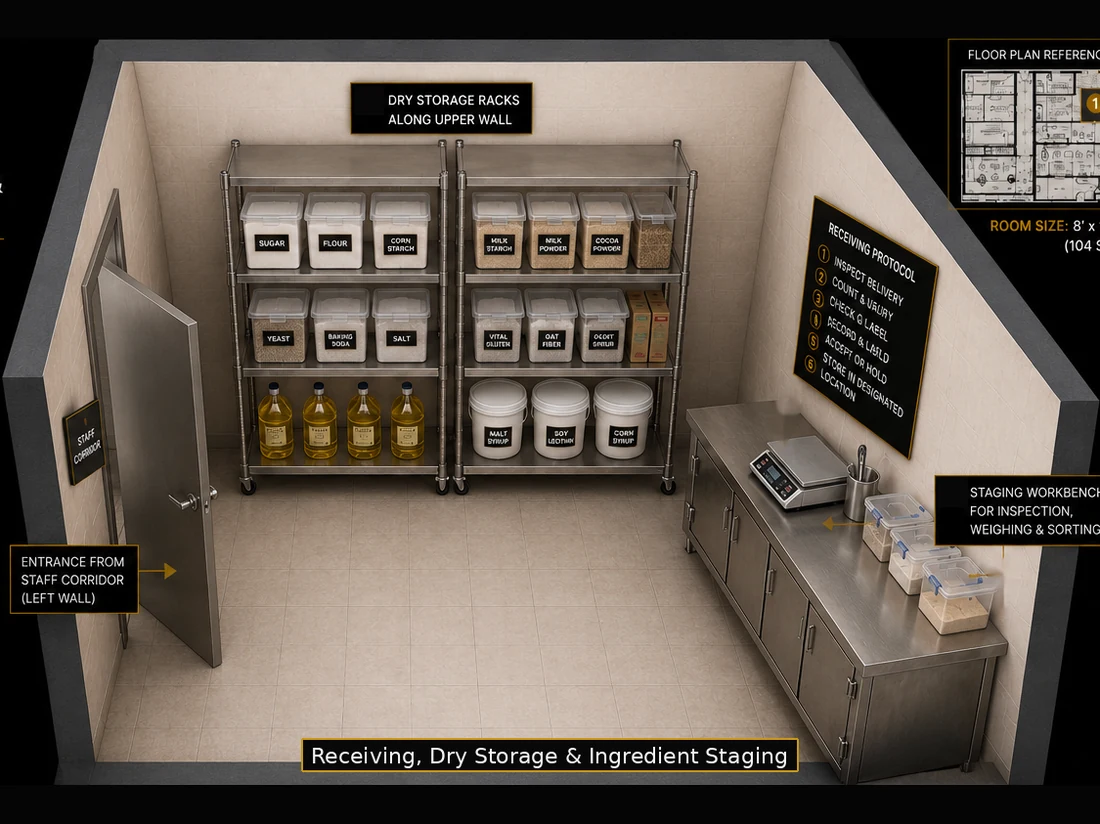

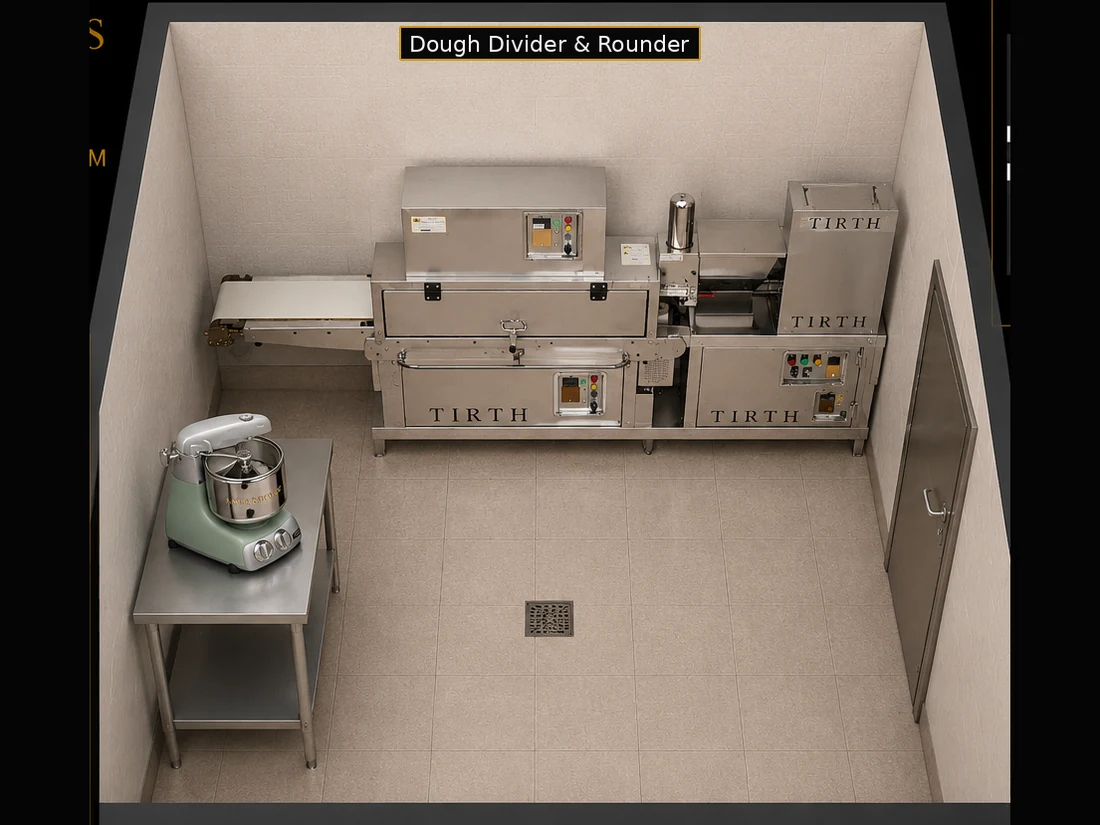
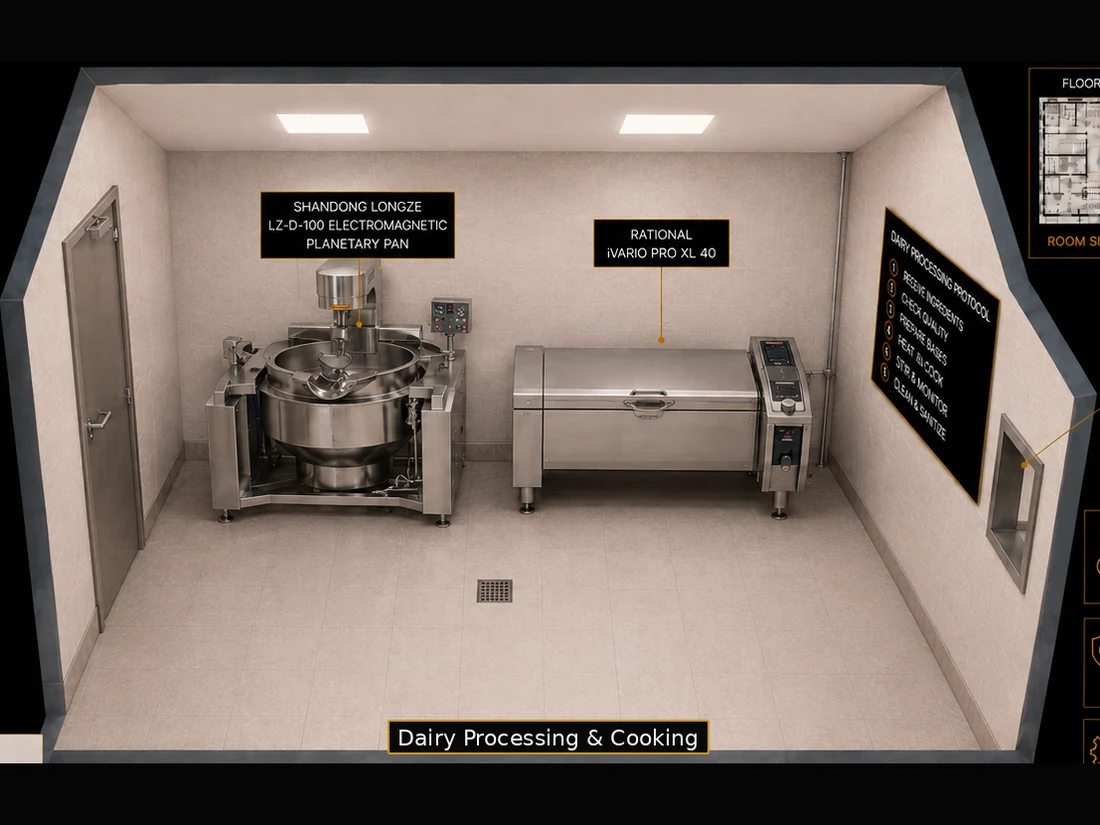
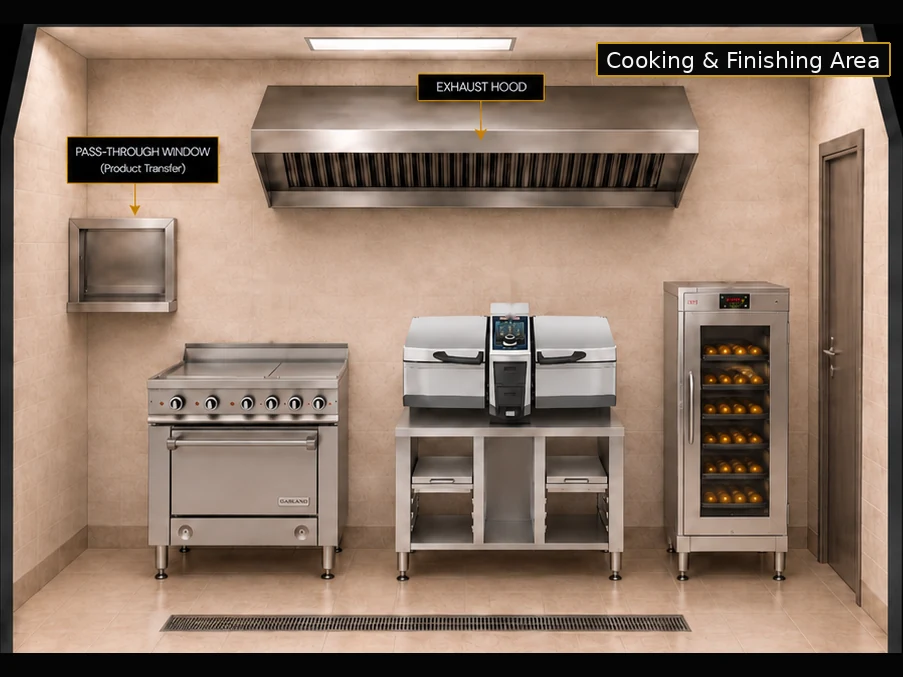
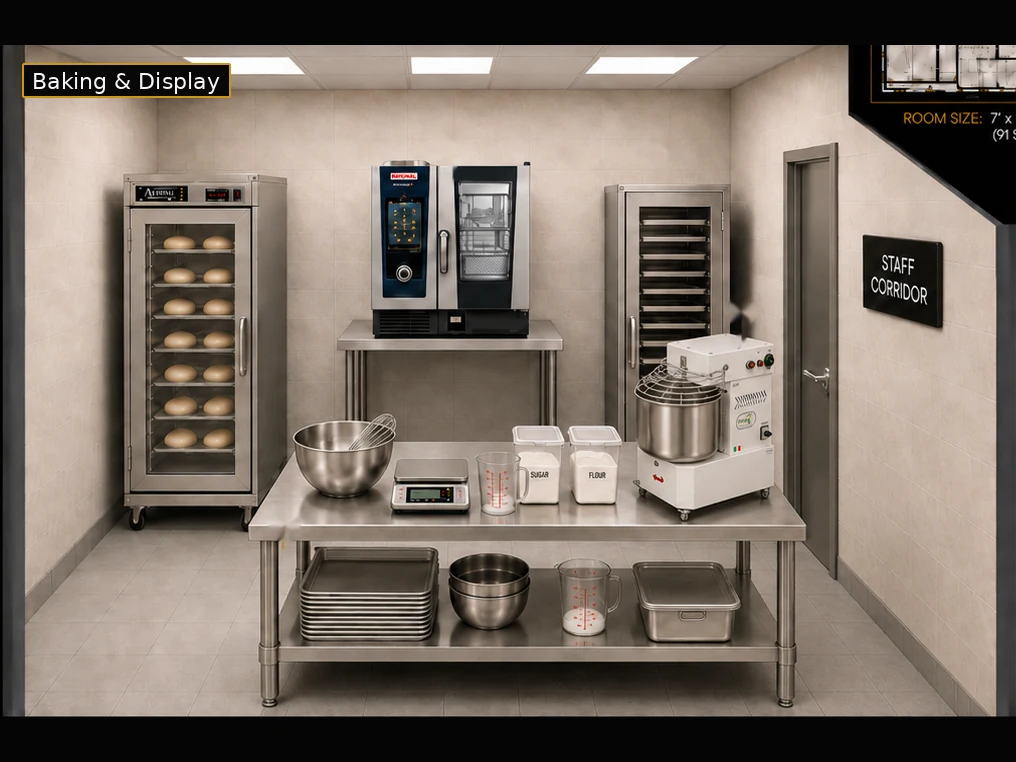
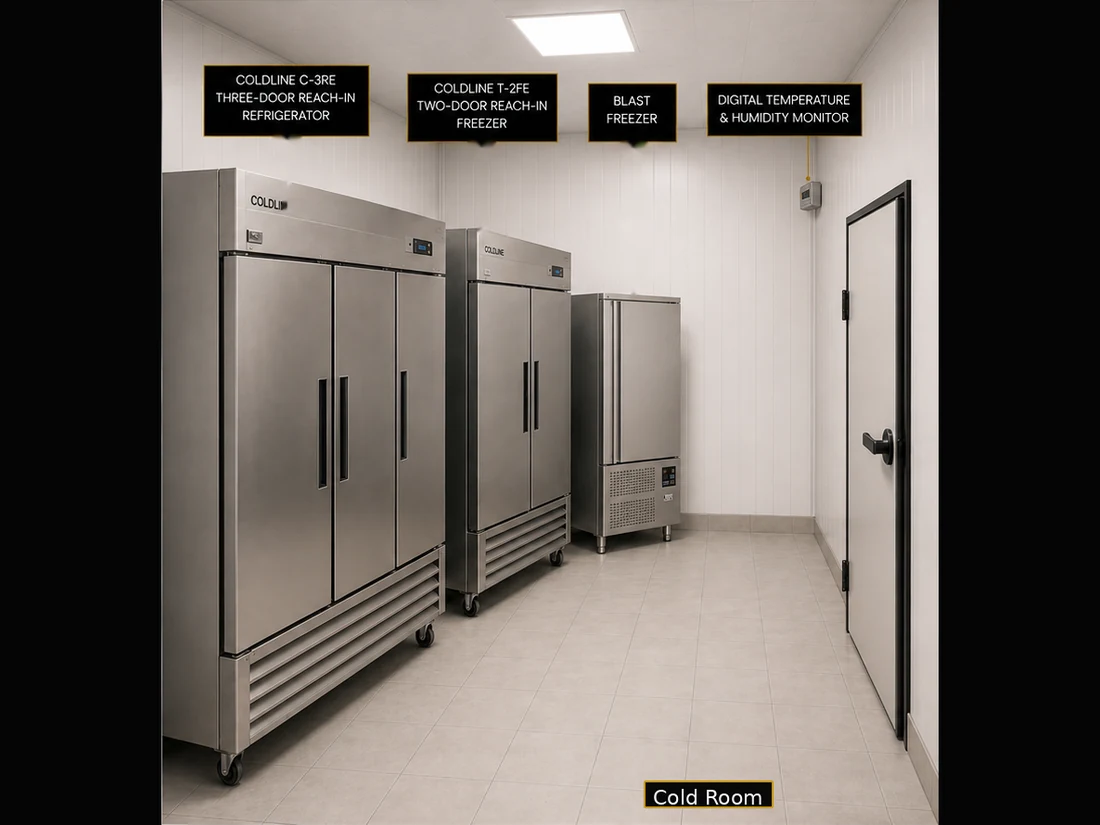
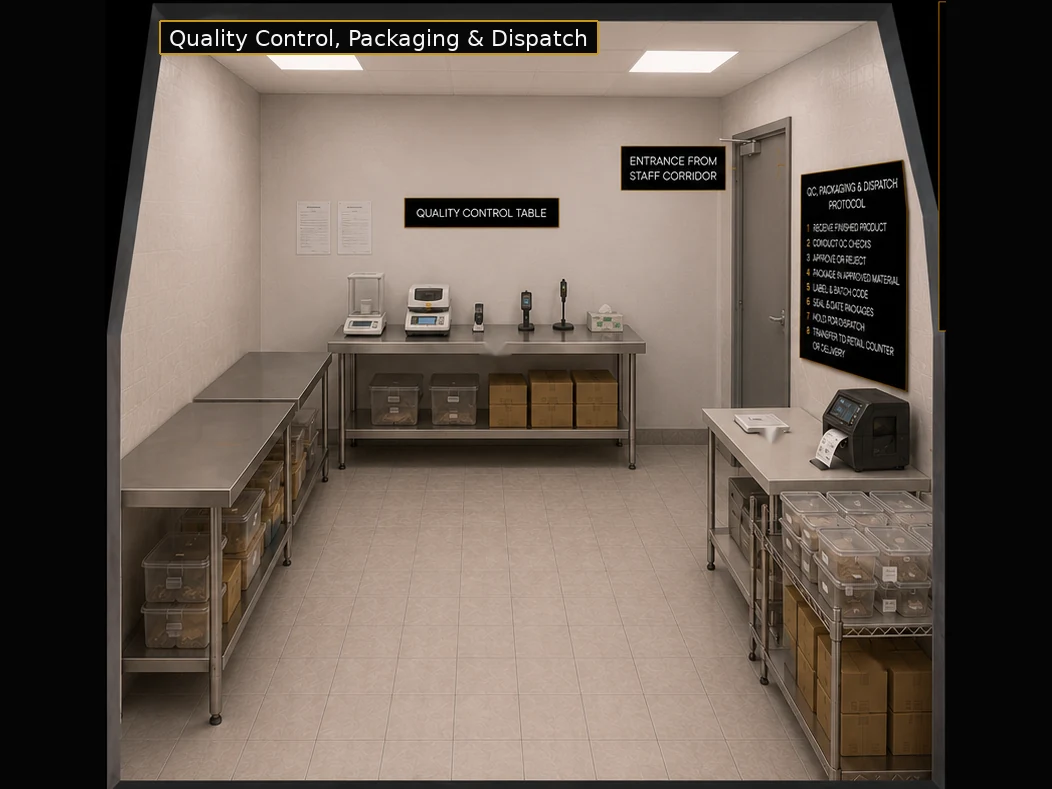
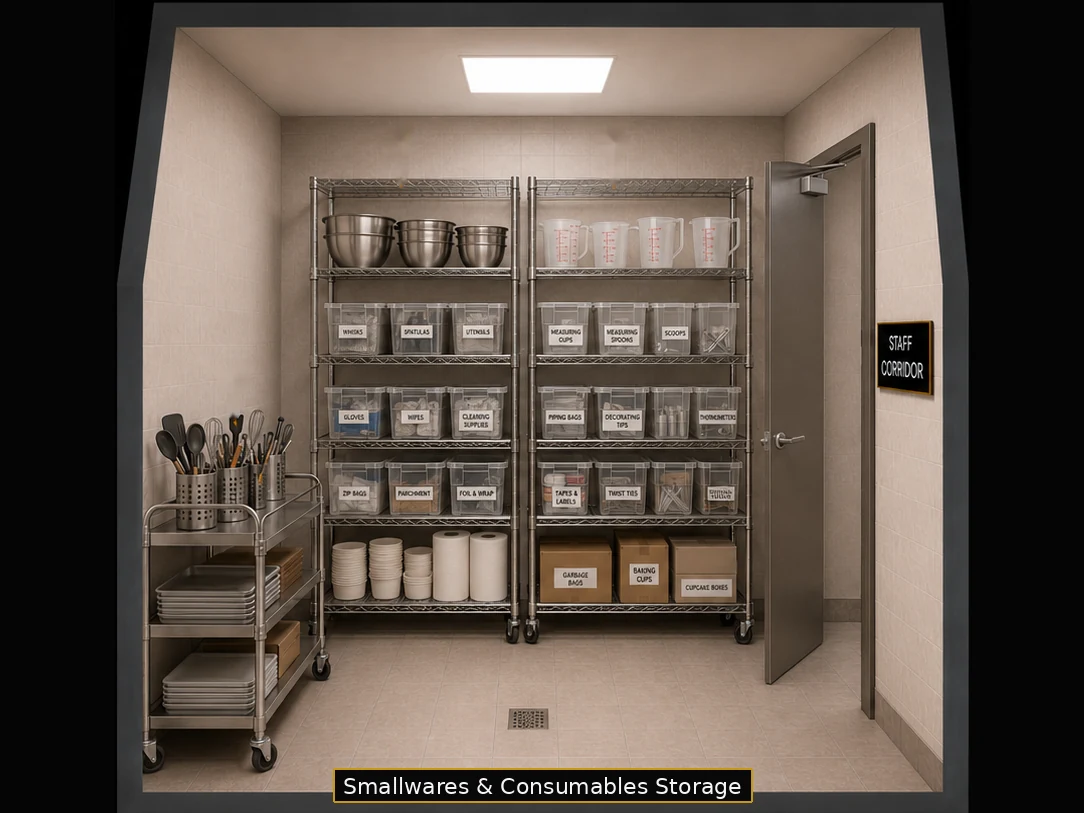
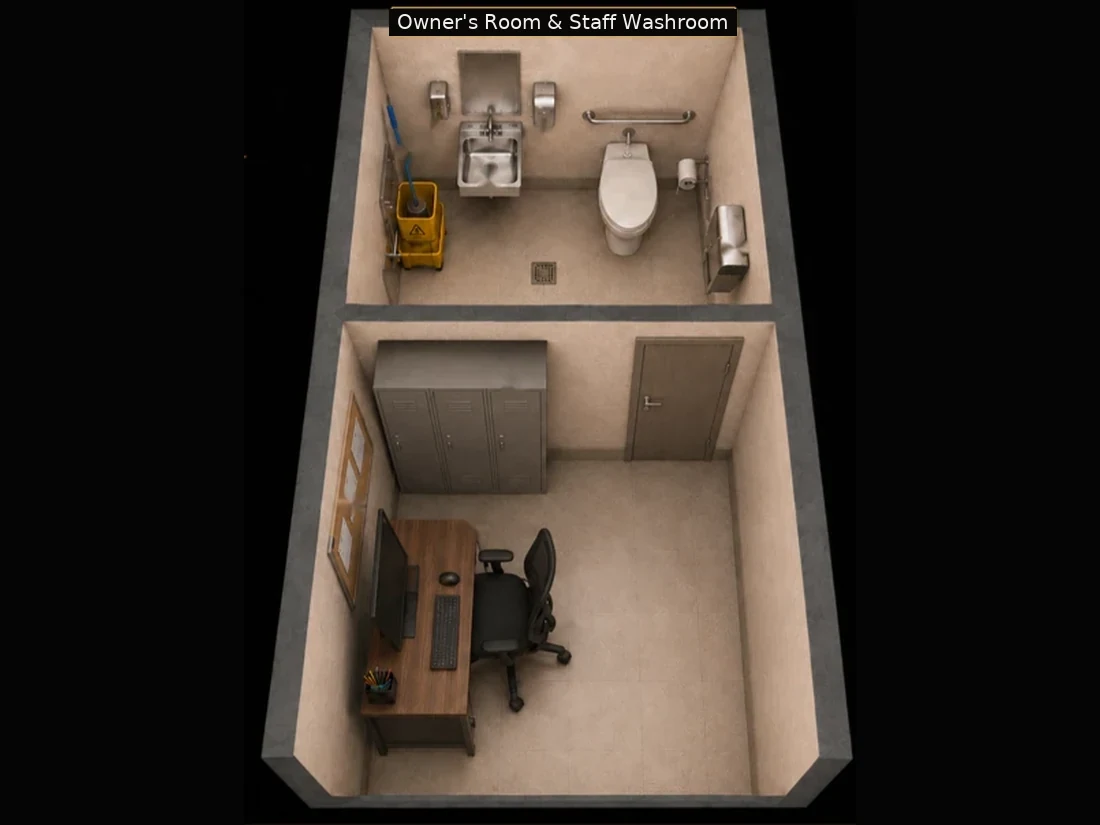
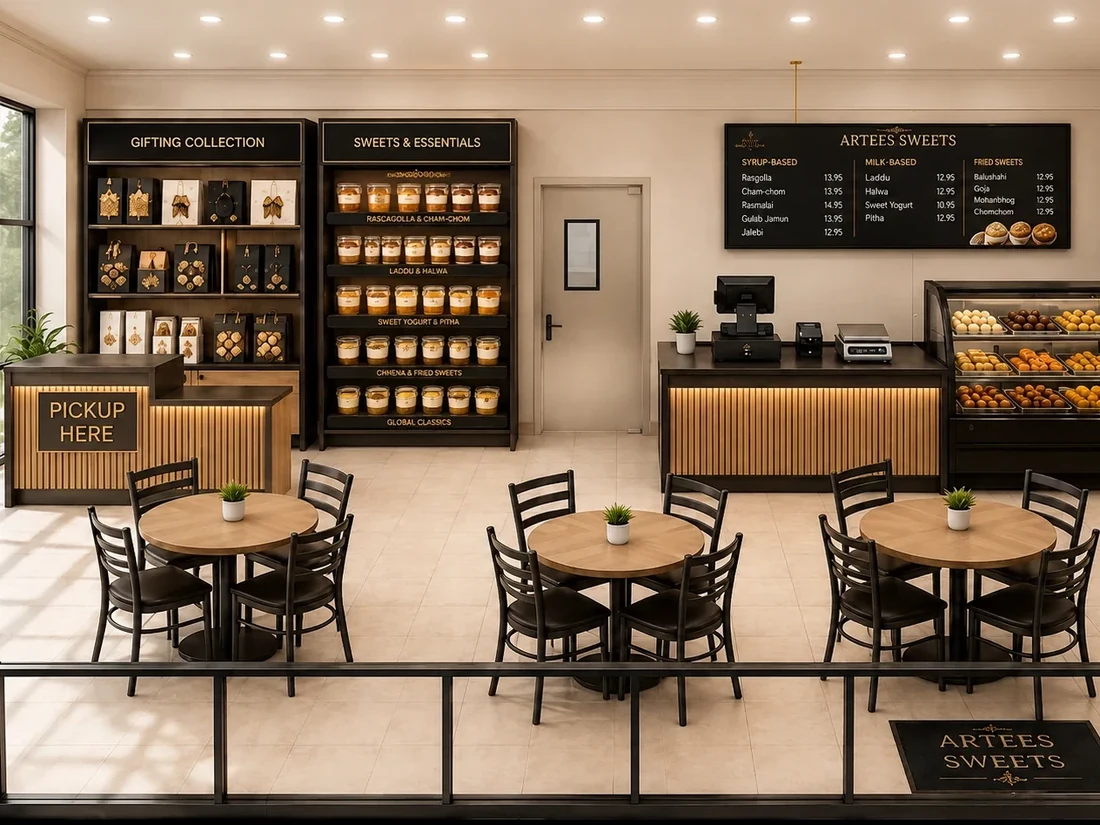
A successful location requires more than an available storefront. Artees Sweets evaluates potential sites around the customer base, operating feasibility and the requirements of the production system.

One store per approved location, with a protected trade area of 1 to 3 miles.
Site evaluation considers:
Final approval is based on overall feasibility and detailed site evaluation rather than foot traffic alone.
$445,000–$495,000
1,500 sq ft · Designed production capacity of 300 lb/day
The estimate is based on a New York City reference store in existing food-service premises. It includes the initial franchise fee, build-out, equipment, launch marketing, pre-opening costs and operating and working capital. Actual costs vary with the site and its requirements.
See Item 7 of the current Franchise Disclosure Document for the complete estimated initial investment.
Artees Sweets provides the structure, training, tools and continuing support required to help the owner-operator establish and operate the business within the Artees system.
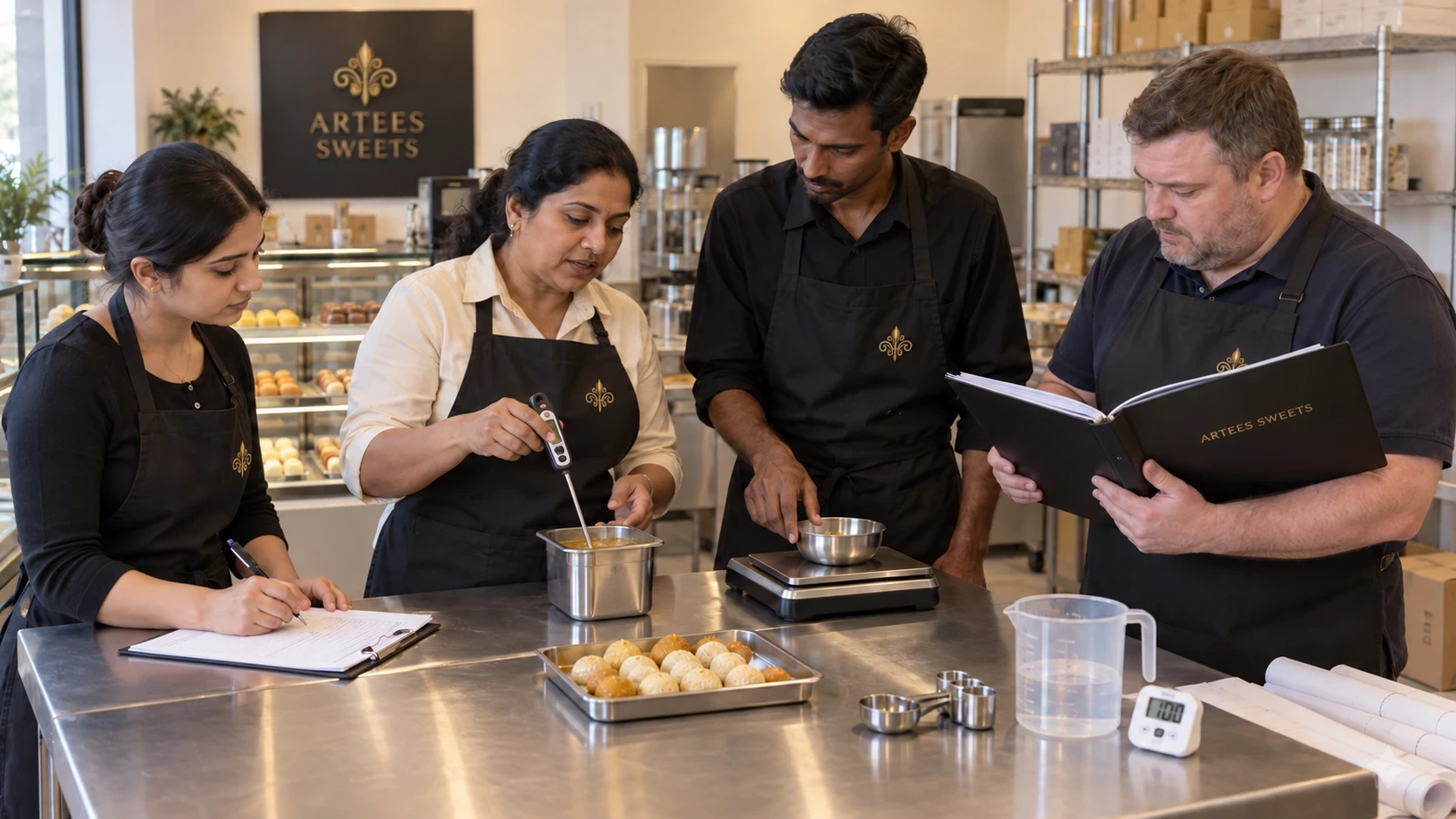
The franchisee operates the business and is responsible for construction, permits and hiring.
Workflow, mechanical, electrical and plumbing, and product-display planning.
Batch records, calibration procedures and audits.
Brand materials, local launch support and product tastings.
28-day owner training, defined process windows, operating procedures and checklists.
Approved equipment specifications, setup guidance and quality-assurance tools.
Territory evaluation, operational monitoring and ongoing assistance as the business develops.
Artees Sweets provides the system, training and continuing support designed to help maintain the standard.

Experience in food. Discipline in systems.
Artees was founded by Mamun Chowdhury, whose experience spans food operations in the United Kingdom and nearly three decades of building technology and systems-based businesses.
Beginning in 2020, he brought those two fields together in Artees: products supported by documented formulations, measured production methods, training, operating controls and quality verification.
Food Operations
First-hand experience showed how difficult it can be to maintain consistency when production depends primarily on individual judgment.
Systems Experience
Decades of work in technology and business systems shaped a disciplined approach to documentation, measurement, accountability and repeatable execution.
Artees Development
Artees applies that combined experience to food production—building products and operating methods intended to be taught, followed and transferred to a store team.
Corporate Platform
Artees Corporation is the New York parent company behind the Artees food platform. Artees Sweets is the first commercial and franchise brand developed from that platform.
The same discipline used to develop the products has been applied to the business and operating system around them.
Your path to becoming an Artees Sweets owner-operator
You may begin by requesting a product evaluation or franchise information. Artees Sweets reviews your request and discusses the next steps with you. A full application is required to enter the formal franchise qualification process.
Tell us about your experience, proposed market, available capital, financing plans and interest in actively operating a store.
Artees Sweets reviews your operational and financial suitability. A confidentiality agreement opens detailed discussions.
Assess the products in three structured tasting sessions. If you have already completed the evaluation, you do not repeat it.
Review the current Franchise Disclosure Document with your advisors and take the required time before committing.
Assess the proposed location, territory, investment, financing and site-specific feasibility.
If both sides proceed and disclosure requirements are met, sign the franchise agreement and pay the required fee.
Complete financing, lease arrangements, permits, build-out, equipment, recruitment, owner certification and launch preparation.
You evaluate Artees Sweets before you commit. We evaluate whether the partnership is right for both sides.
The precise process and requirements will be governed by applicable law, the current Franchise Disclosure Document and the executed franchise agreement.
Understand what you are agreeing to.
A franchise decision should be based on careful review—not only of the products and brand, but also of the investment, operating obligations and responsibilities of ownership.
Qualified candidates will have an opportunity to review the information relevant to the Artees Sweets franchise opportunity.
Take the time you need
You should take the time to ask questions and consult your own legal, accounting and financial advisors before making a decision.
Franchise Documents
Review the current Franchise Disclosure Document, its exhibits and the proposed franchise agreement.
Understand the estimated initial investment, franchise fee, continuing fees and other financial obligations disclosed in the FDD.
Store and Site Requirements
Review the proposed store format, location criteria, design and construction process, required equipment and site-specific operating considerations.
Training and Support
Understand the required owner training and certification, opening preparation, available launch support and continuing operating guidance.
Operating Responsibilities
Review the standards relating to production, staffing, recordkeeping, reporting, quality control, approved products and protection of the Artees system.
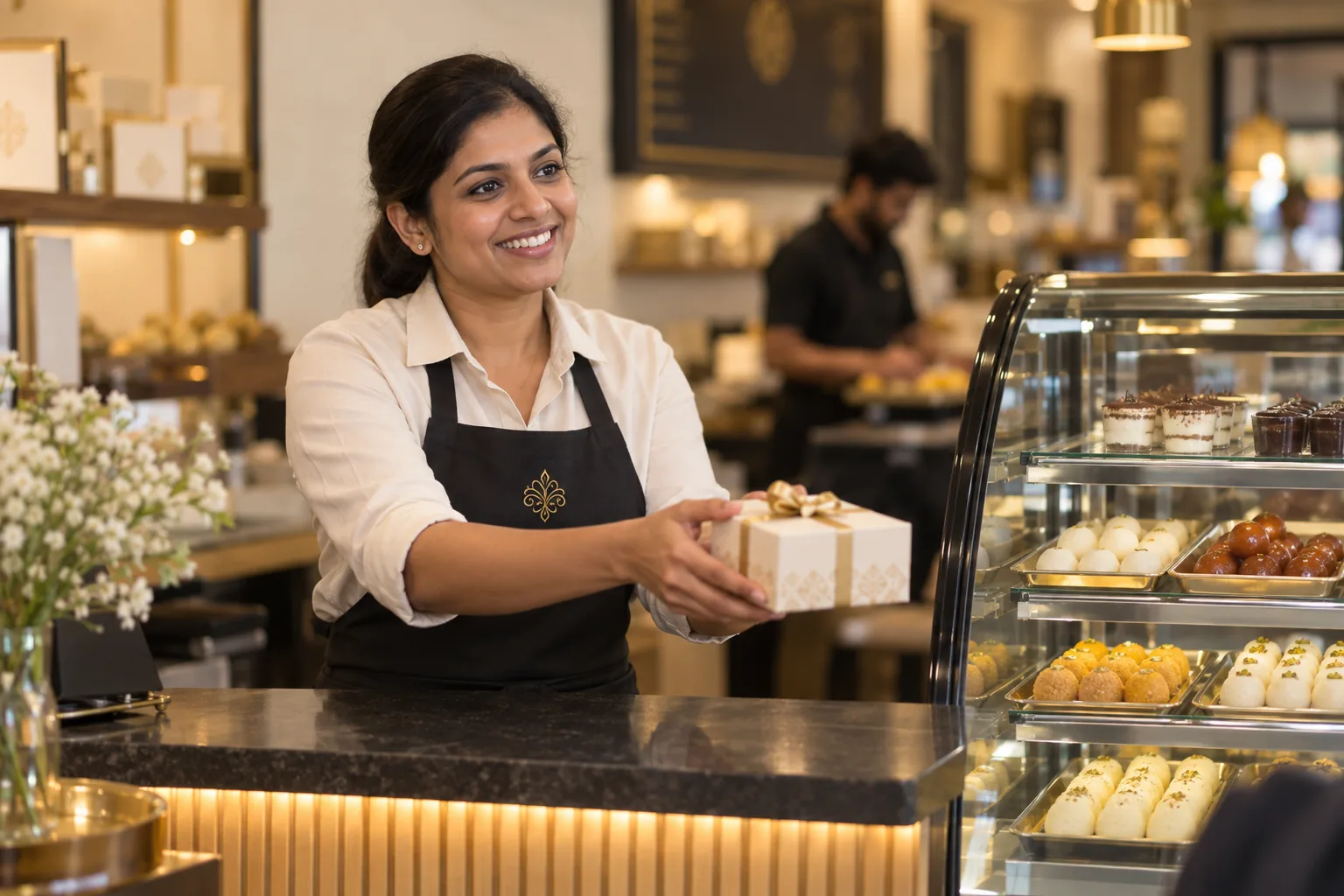
Is Artees Sweets the right business for you?
You may be a good fit if you are prepared to:
Submitting an application does not create an obligation to proceed. It begins a structured evaluation of your qualifications, proposed market and alignment with the Artees owner-operator model.
Franchises are offered and sold only through the applicable Franchise Disclosure Document and in compliance with federal and state franchise laws.